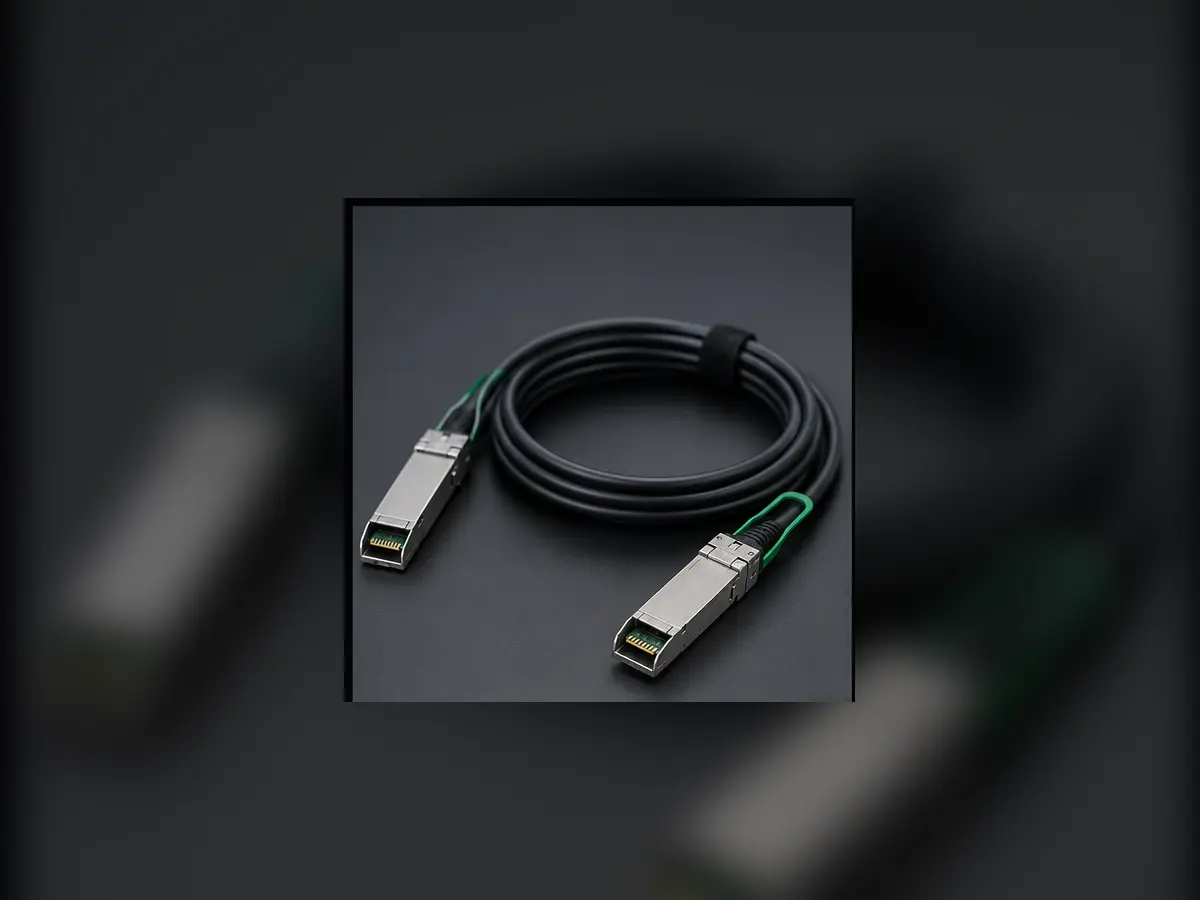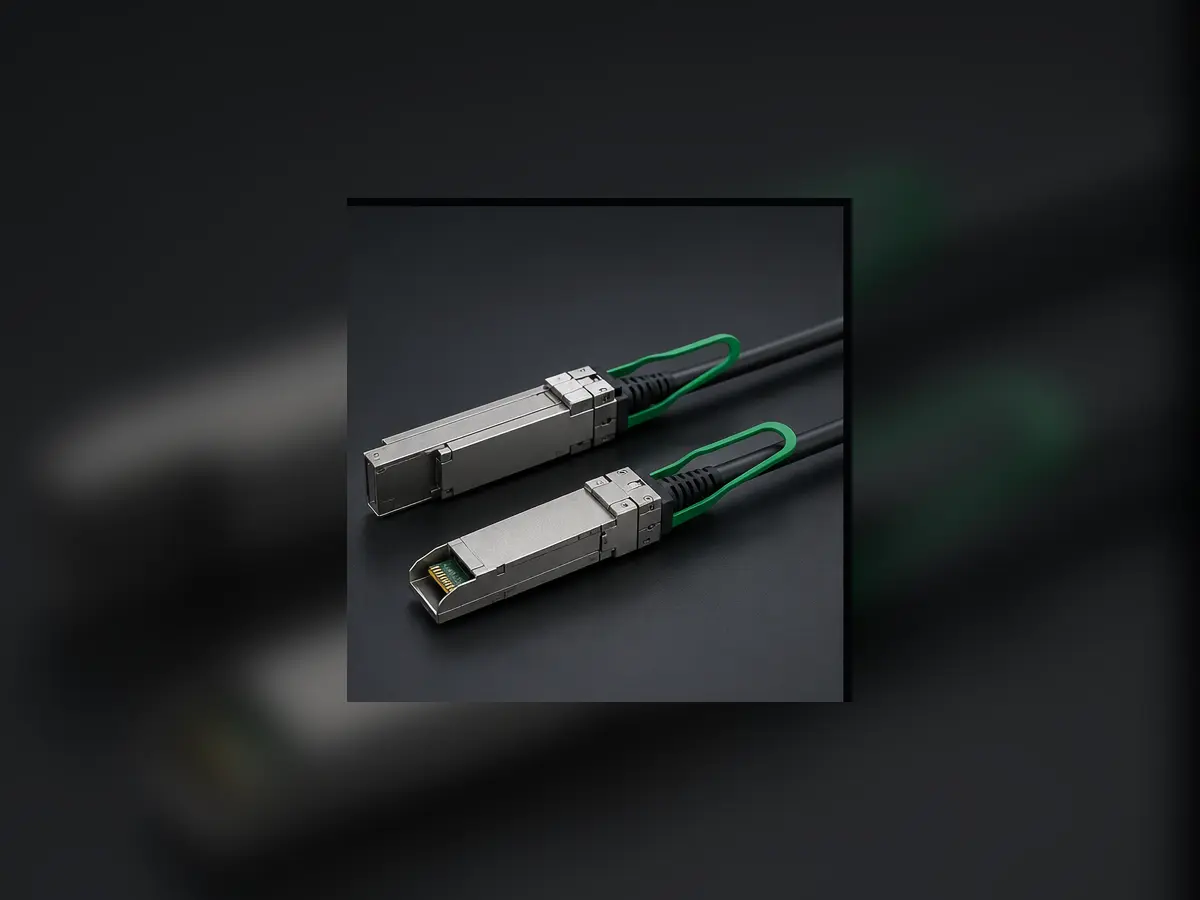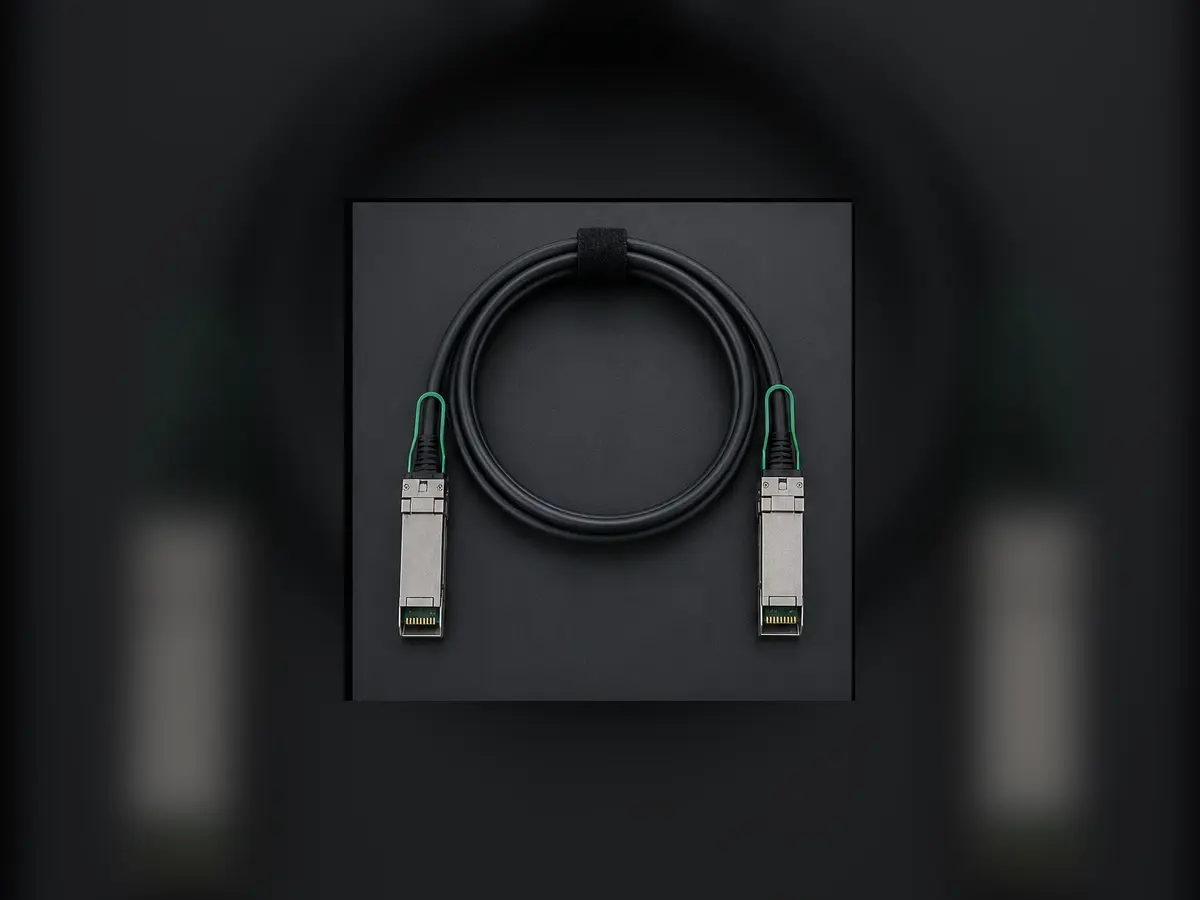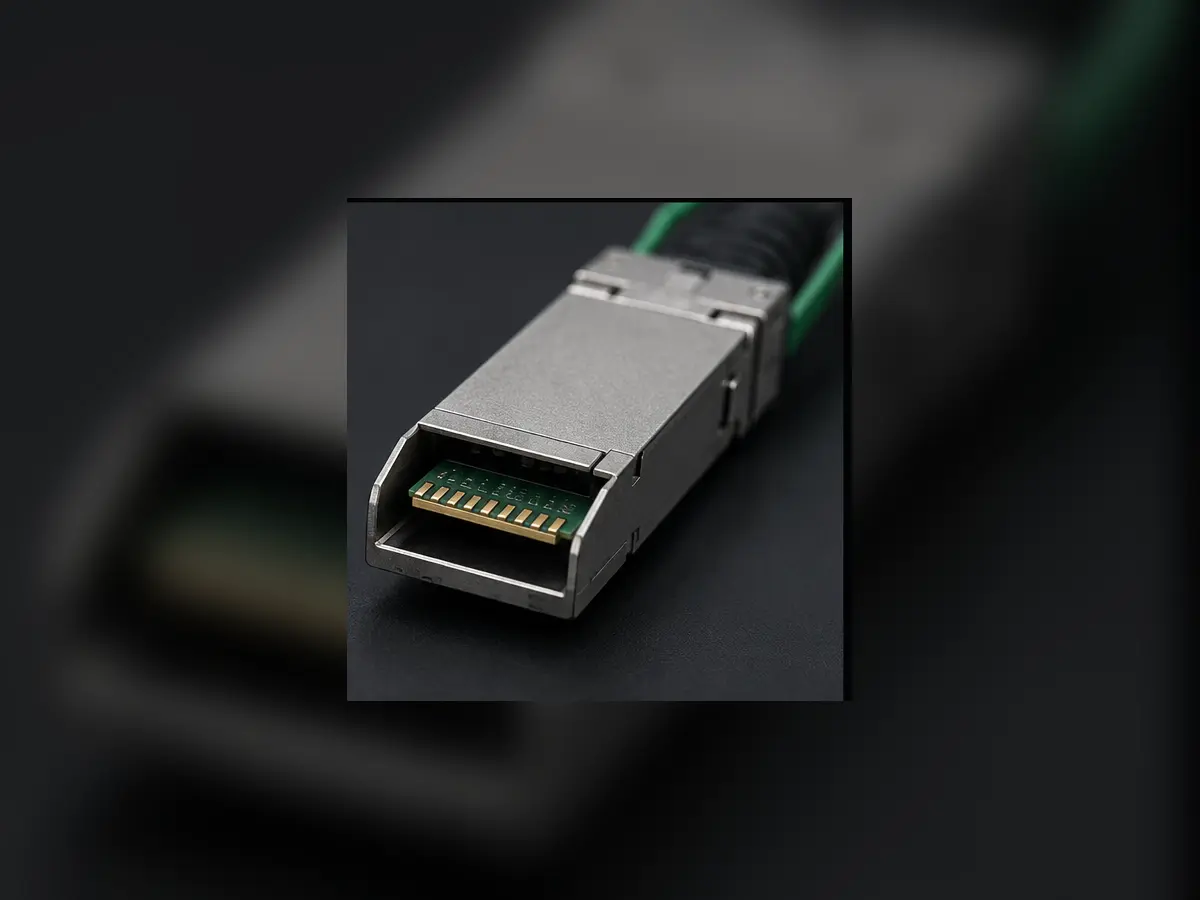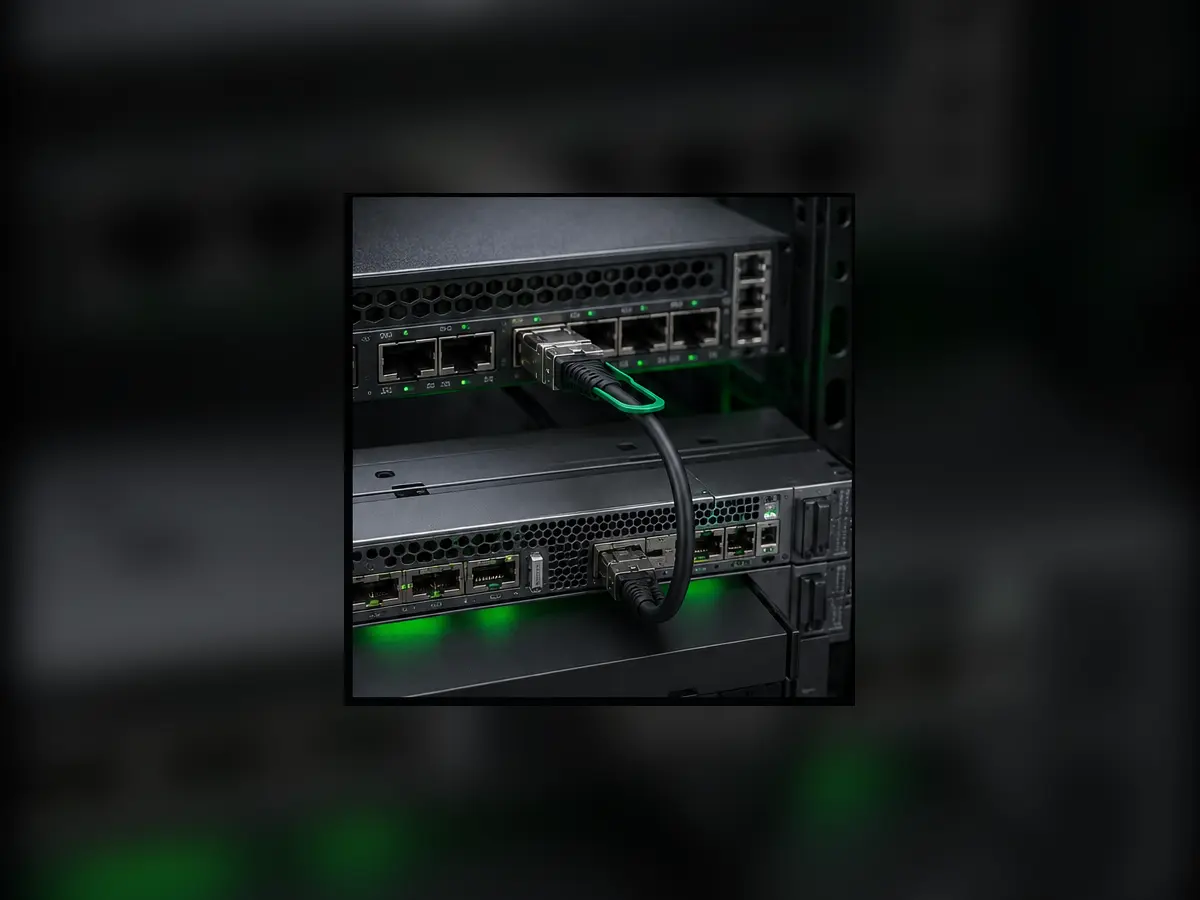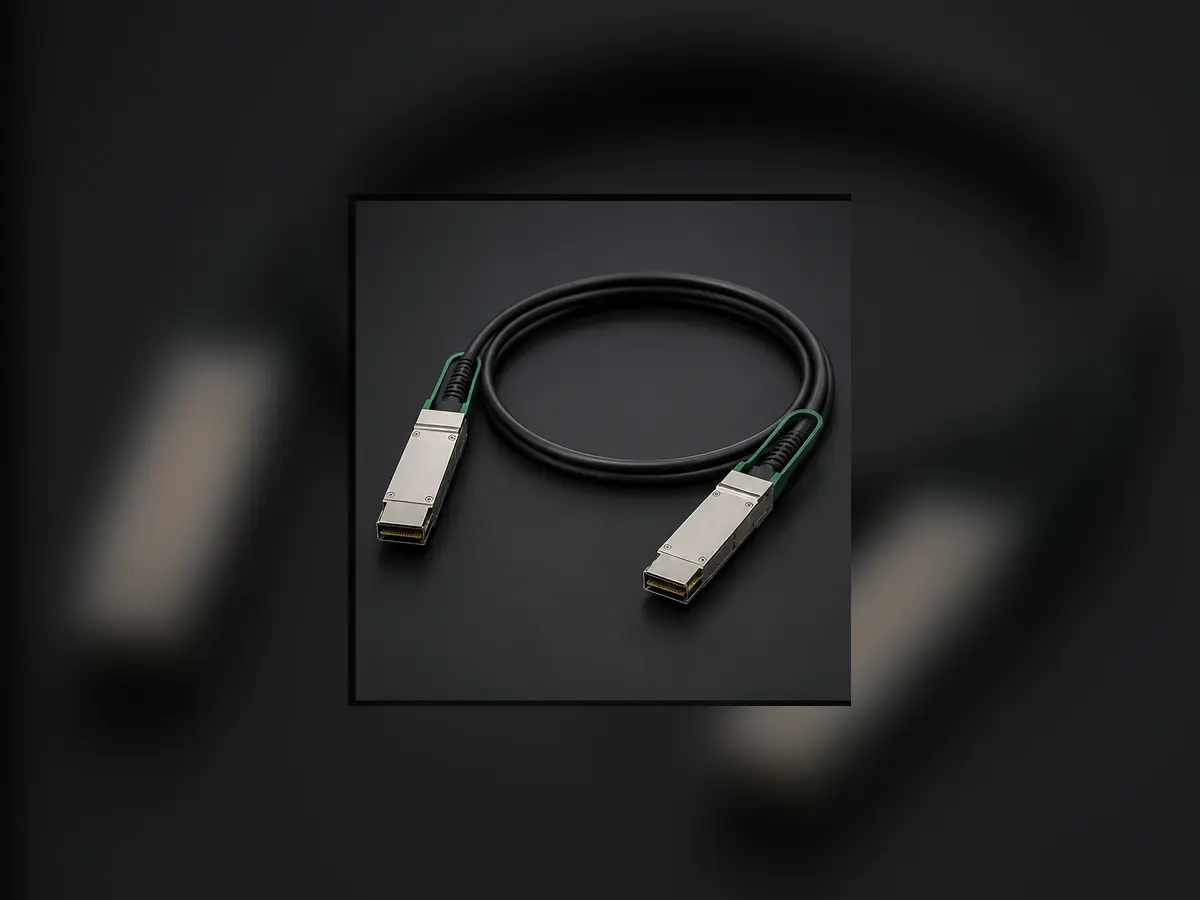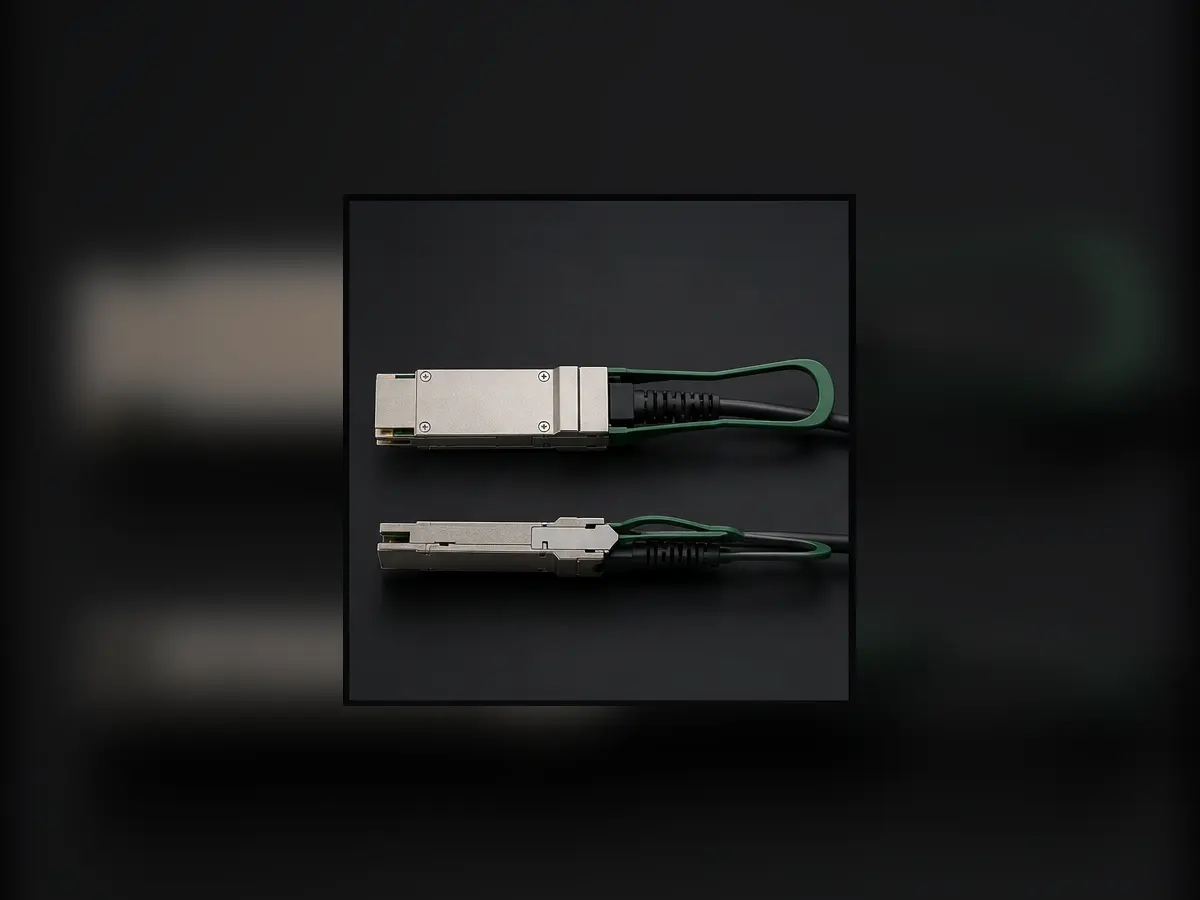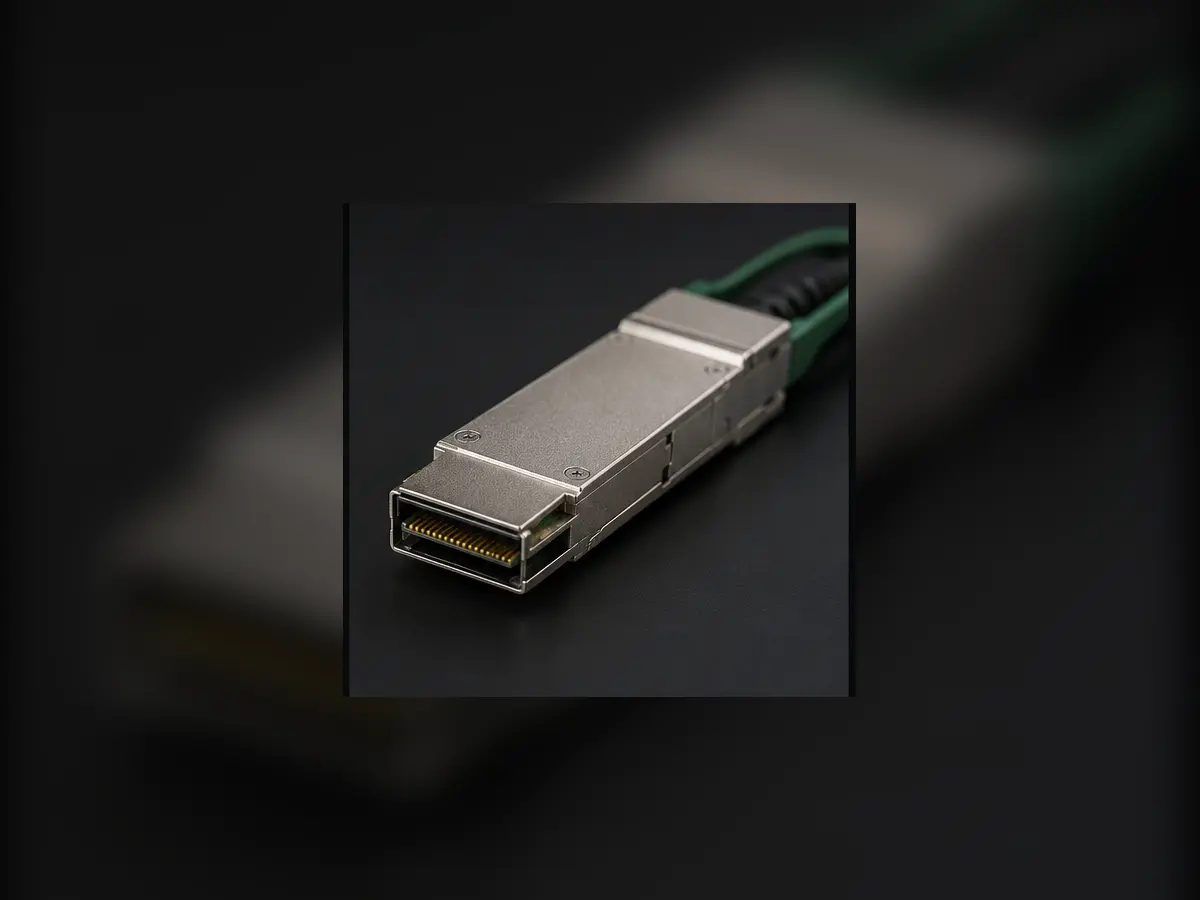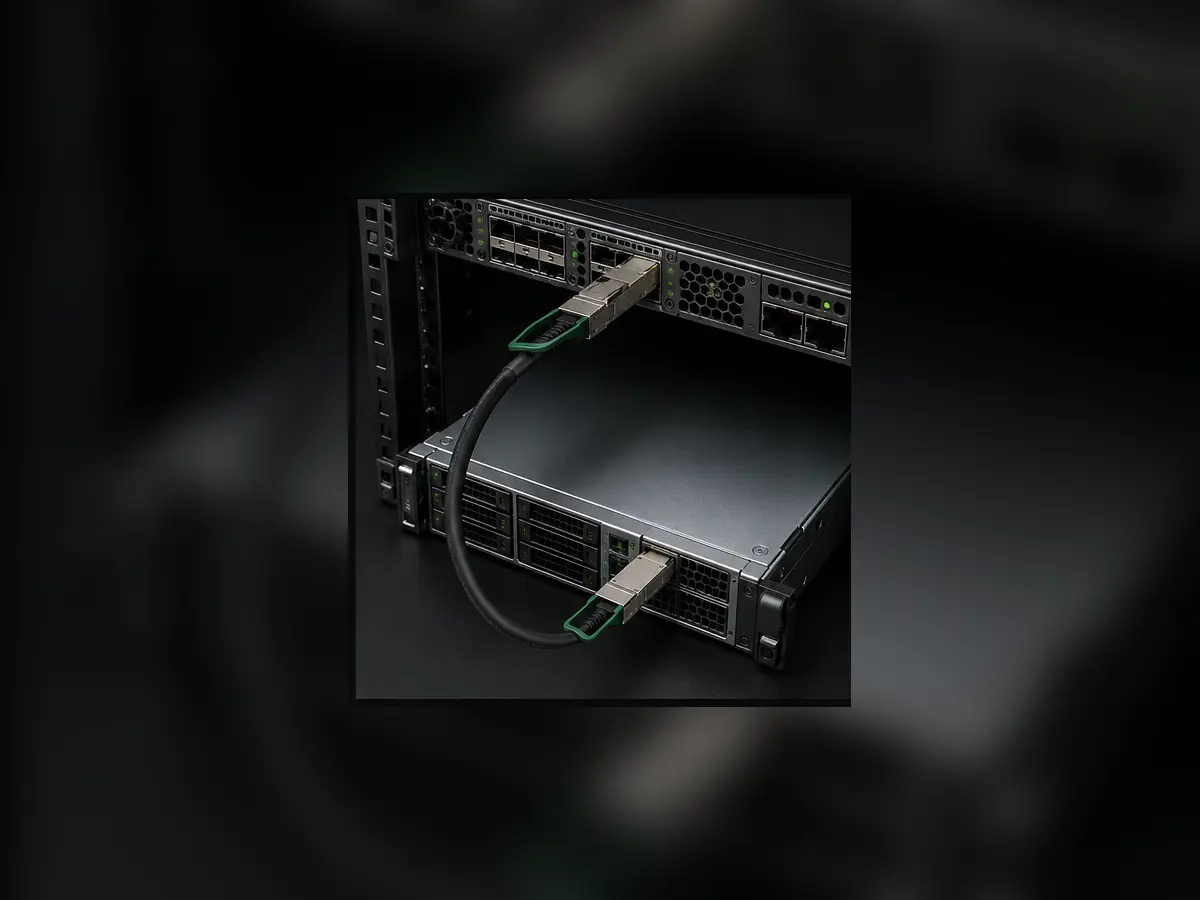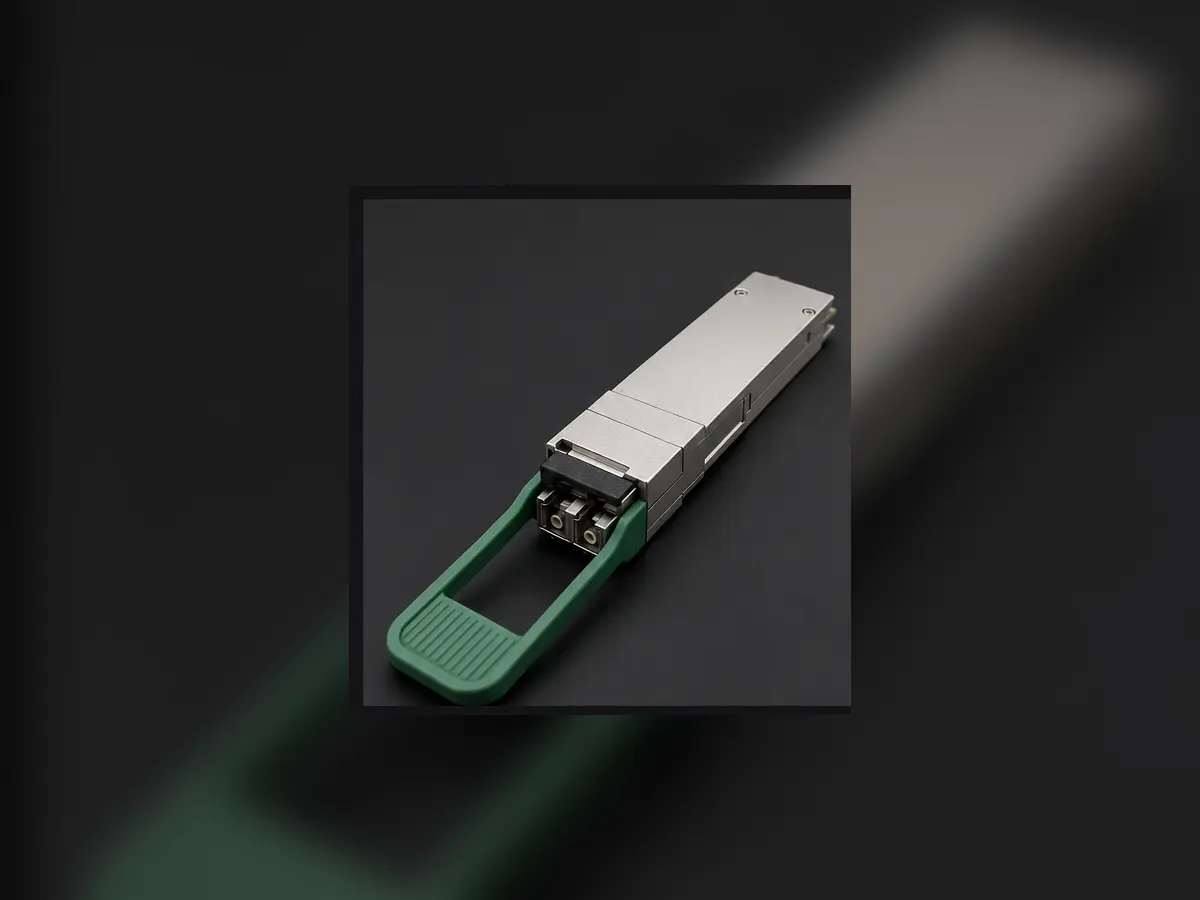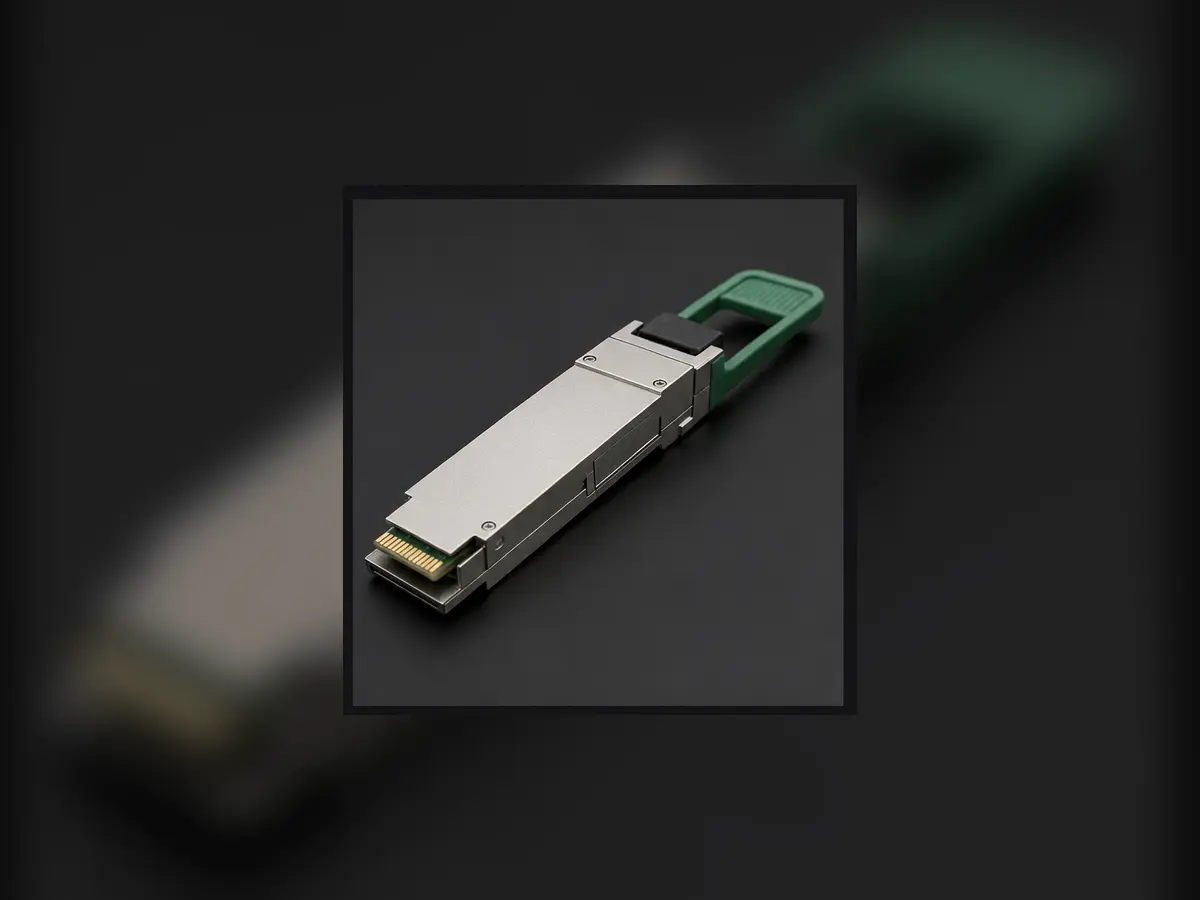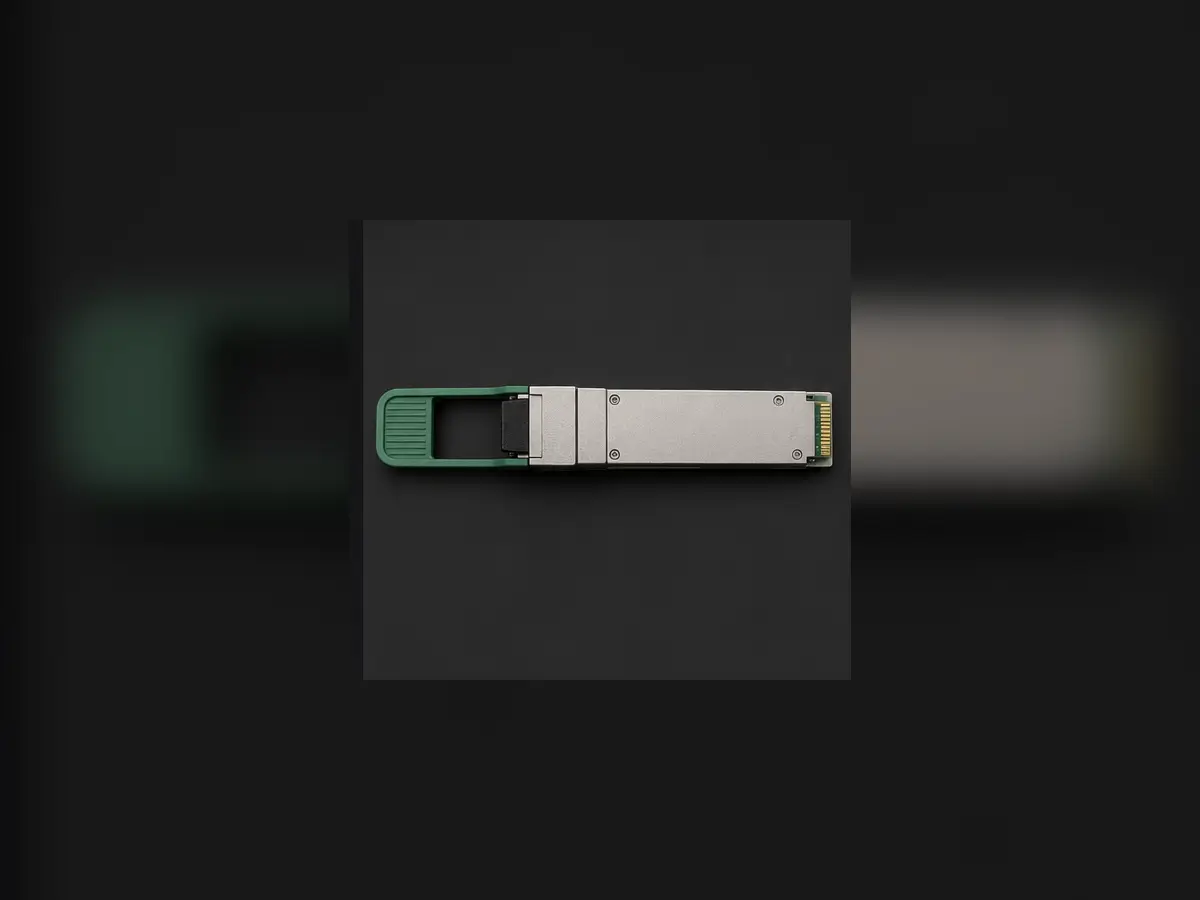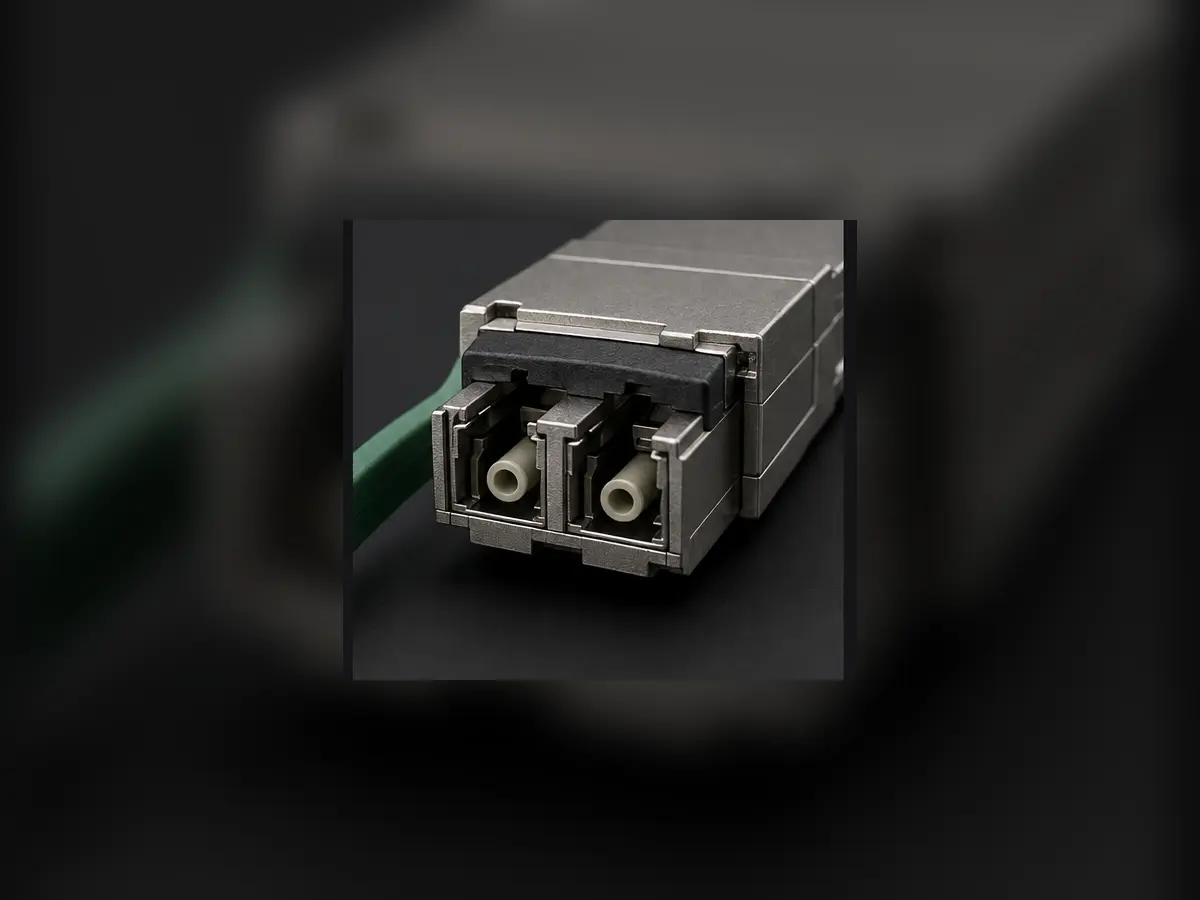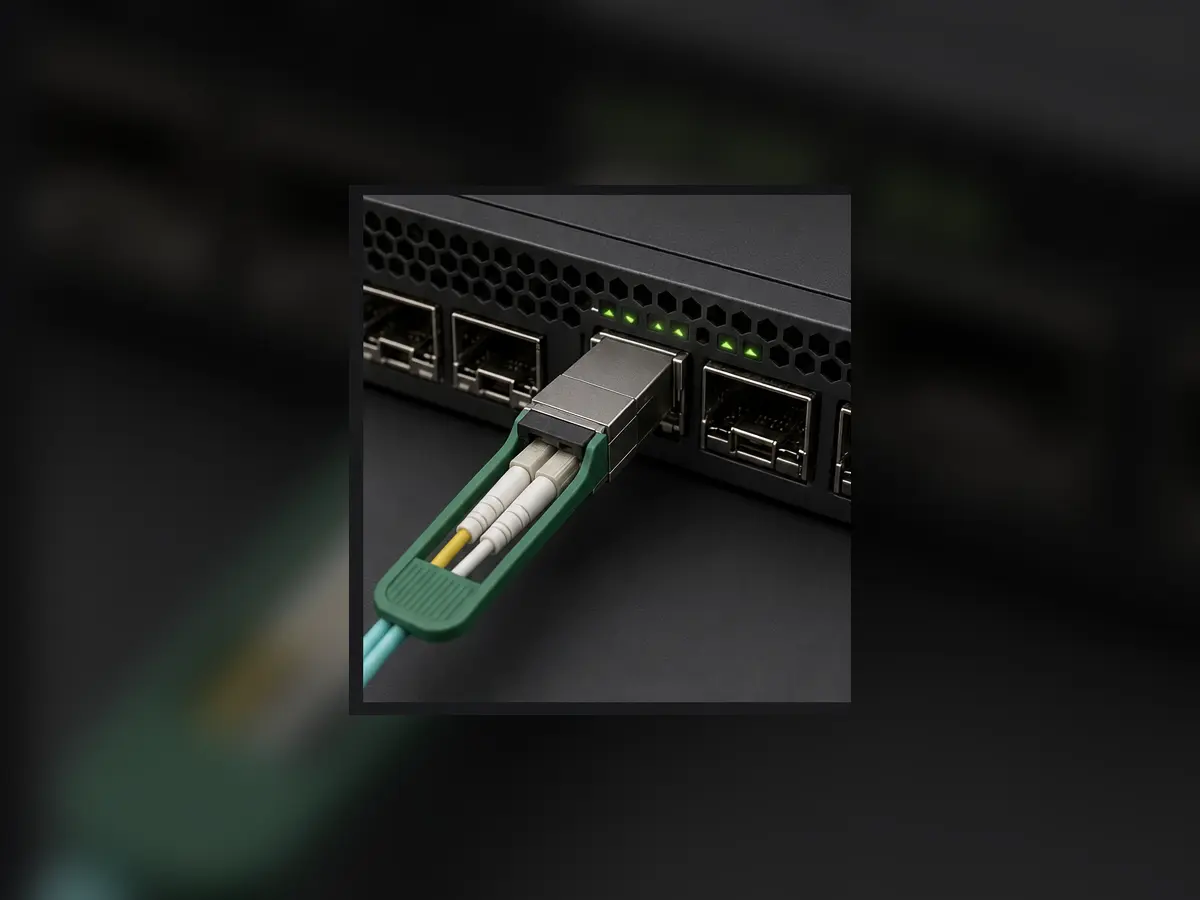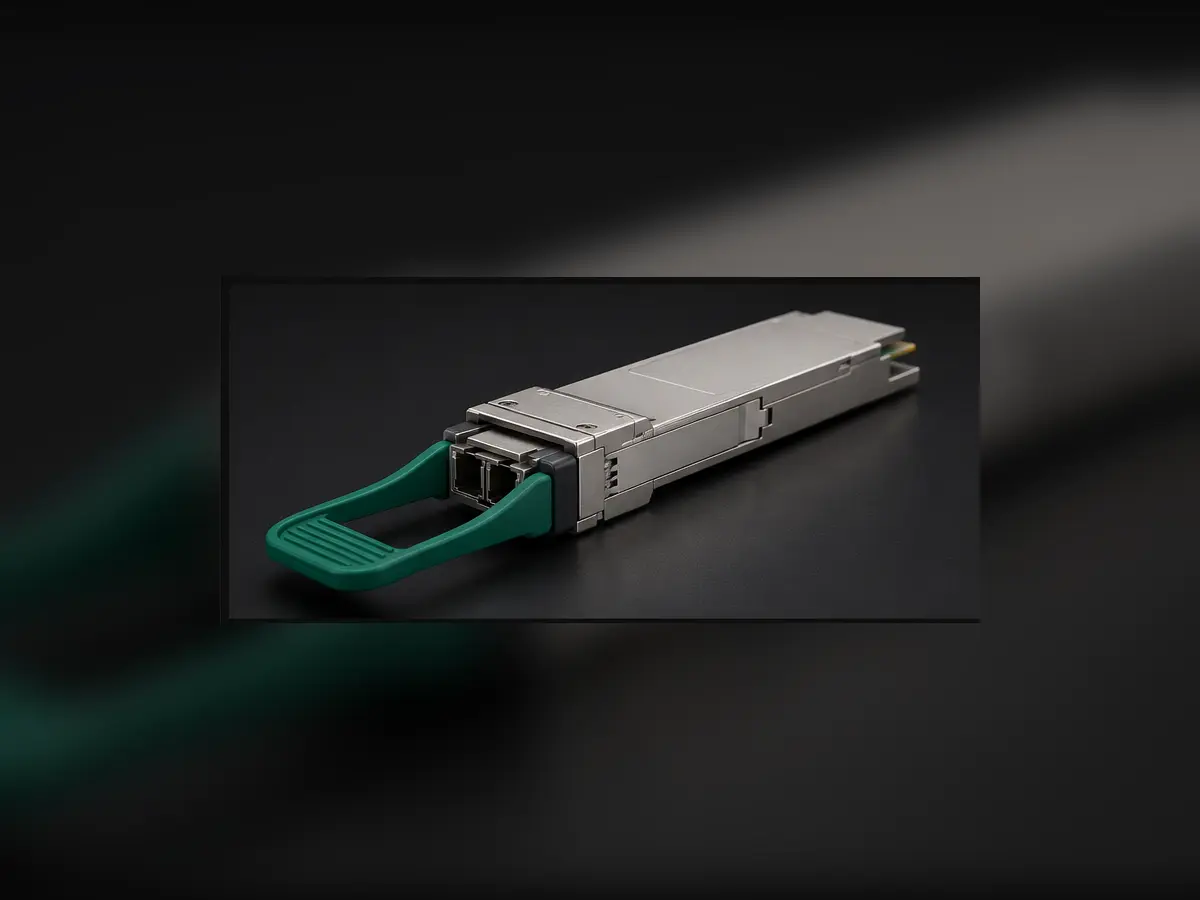
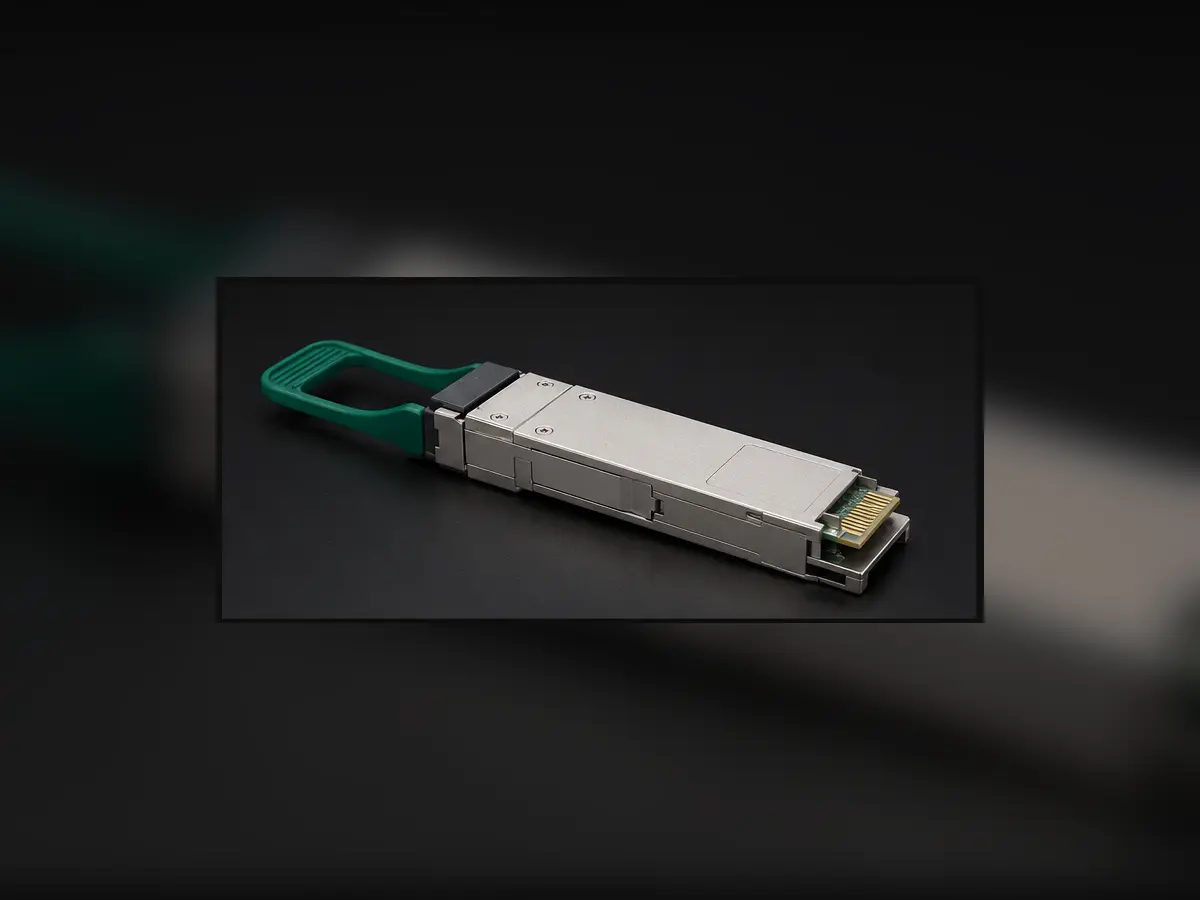
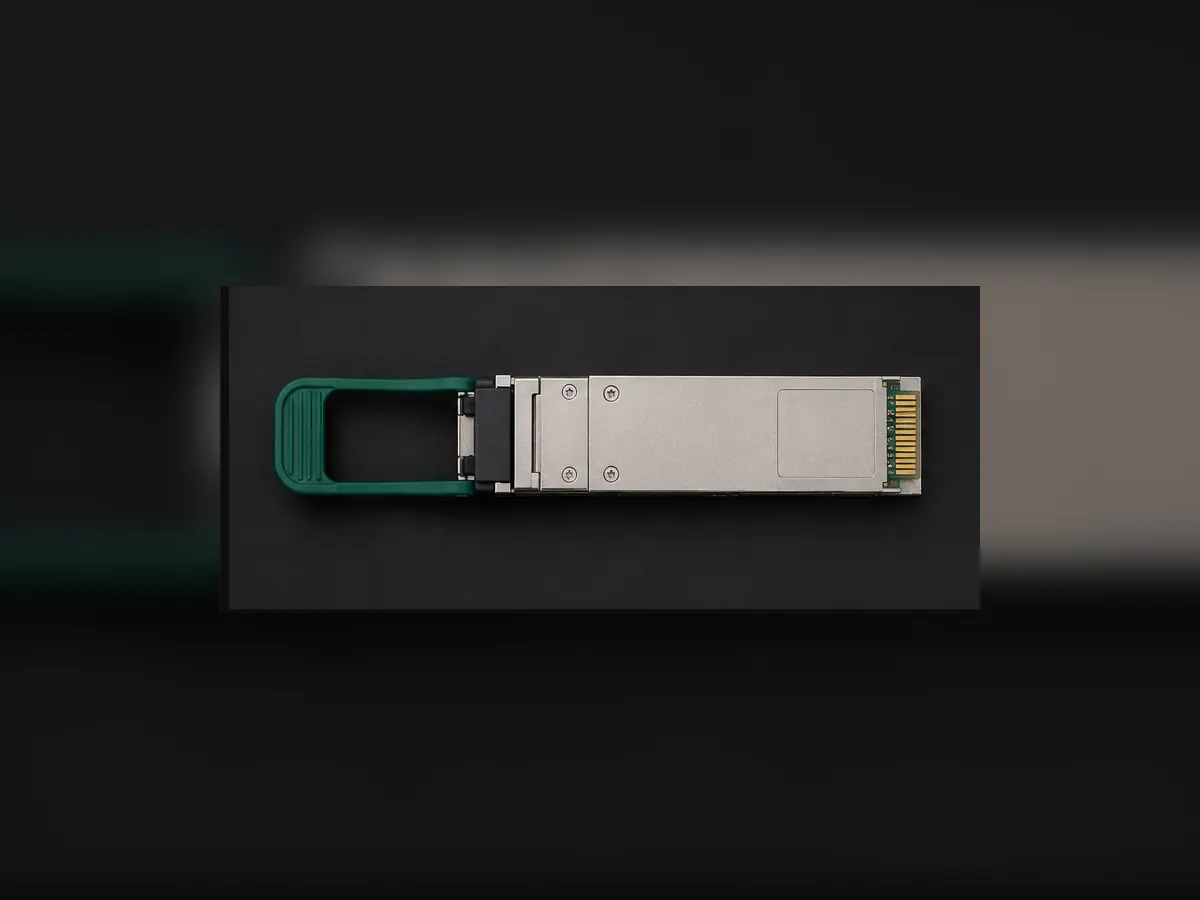
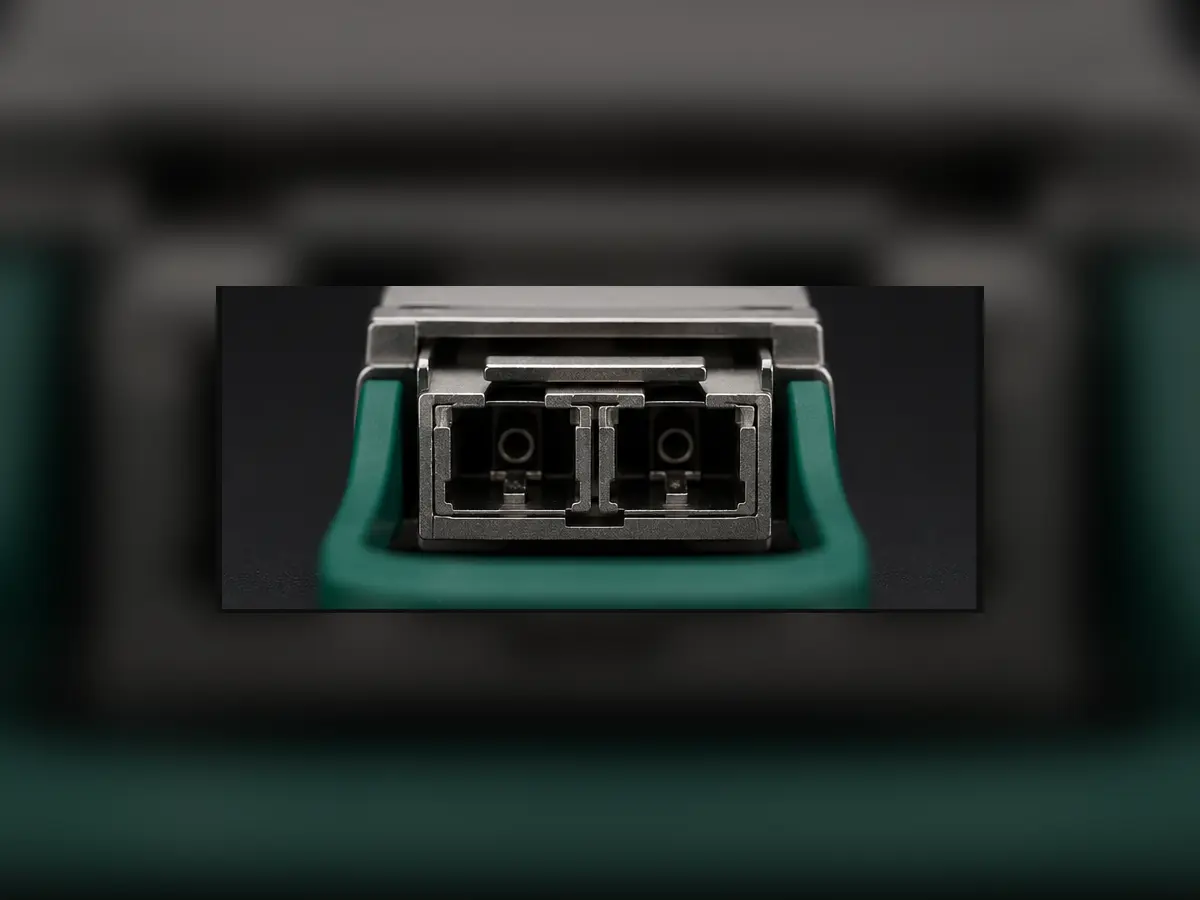
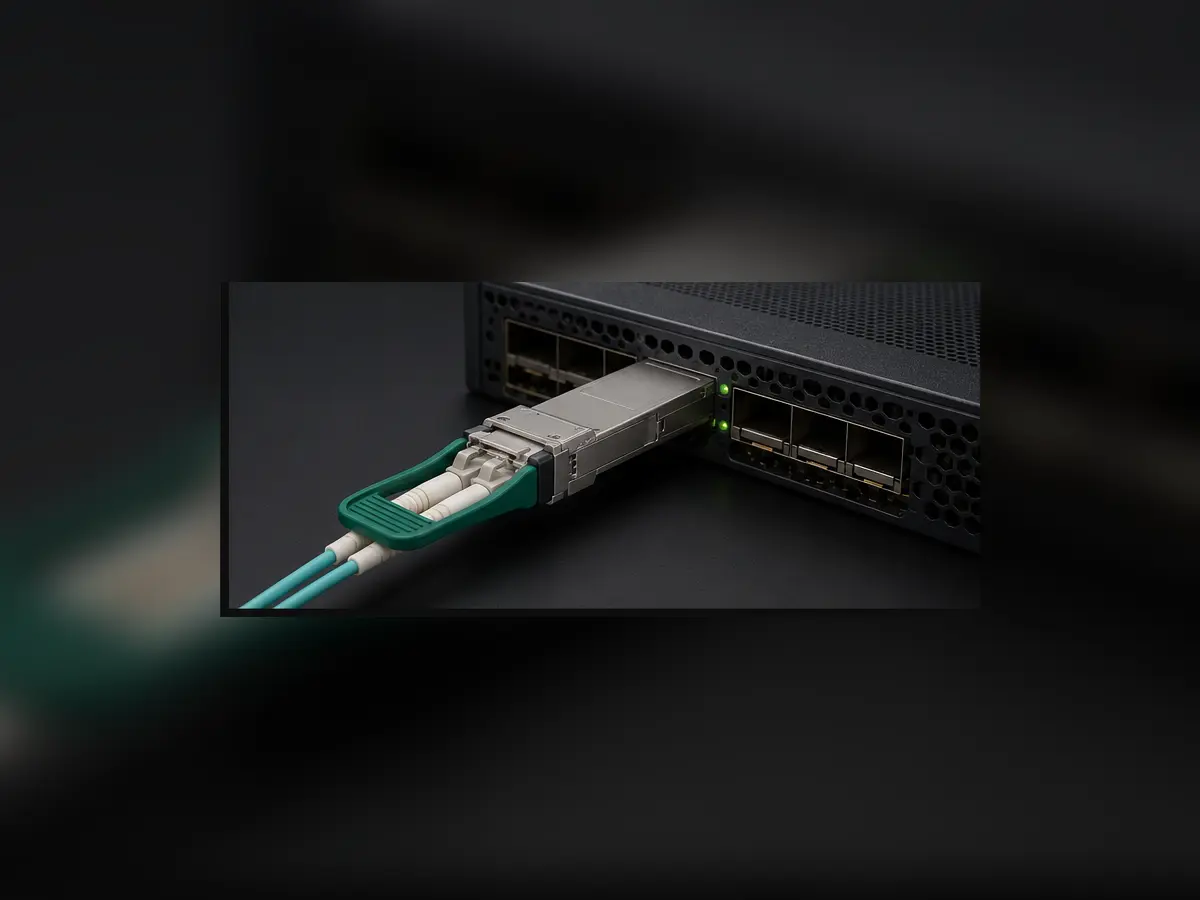
The 200G QSFP56 SR4 100m MPO transceiver is designed for short-reach 200G data-centre links using parallel multimode fibre. MingApex supports specification review, host coding, MPO/MTP cabling confirmation, sample validation and documented production supply. Final compatibility and reach are confirmed against the exact host, FEC mode, fibre grade, connector path and approved datasheet.
Best-fit applications for 200G QSFP56 SR4
SR4 is typically evaluated for rack-to-rack, row-to-row and short leaf-spine connections where parallel multimode infrastructure is available. It can suit high-density data-centre links that do not need the distance of single-mode FR4 optics. The procurement decision must include the complete channel rather than the transceiver alone.
Confirm the switch or network-adapter model, software release, native port mode, FEC requirement, link partner, fibre grade, total connector count and planned distance. A nominal 100 m requirement may not be achievable when the installed path includes unsuitable fibre, excess connection loss or incorrect polarity.
200G SR4 requirement matrix
| Control point | Required project evidence |
|---|---|
| Host interface | QSFP56 200G port, electrical lane architecture and software context. |
| Optical channel | SR4 parallel multimode architecture and approved reach. |
| Fibre | Required multimode grade, measured route length and cable assembly type. |
| Connector | MPO/MTP interface, key orientation, gender and alignment-pin requirement. |
| Polarity | End-to-end method, cassette or breakout mapping and lane continuity. |
| FEC | Host and link-partner mode confirmed during qualification. |
| DOM | Temperature, voltage, bias and available per-lane optical readings. |
| Order control | Approved sample, coding, label, serial convention and lot record. |
MPO/MTP polarity and lane mapping
Parallel optics depend on correct transmit-to-receive lane mapping. Before ordering, document the trunk type, polarity method, connector gender, key orientation and any cassette or panel in the route. A clean connector can still produce no link when the lane map is reversed or shifted.
Do not treat all MPO/MTP assemblies as interchangeable. Record the exact cable assembly approved with the sample and retain it in the deployment bill of materials. For structured fibre planning, refer to the MPO/MTP fibre selection guide.
SR4 versus FR4 selection
SR4 uses parallel multimode fibre for short links, while FR4 uses duplex single-mode fibre and supports longer data-centre paths. SR4 may be appropriate where existing MPO/MTP infrastructure and short reach favour a parallel solution. FR4 can be preferable where duplex LC single-mode fibre, lower fibre count or up to 2 km reach is required.
Compare the installed cabling, patching complexity, connector-loss budget, upgrade plan and operational practices. Review the 200G QSFP56 FR4 2 km LC transceiver before finalising the architecture.
FEC and host validation
Record the host platform, line card or adapter, software release, port mode and link partner. Verify the required FEC state at both ends. Recognition of the module does not prove that the electrical lane or FEC configuration is correct; qualification should include stable link and appropriate traffic testing.
If a platform-specific identity is required, retain the approved EEPROM or coding profile for repeat orders. Use the coding verification workflow to define the controlled fields.
Connector inspection and optical checks
MPO/MTP end faces contain multiple fibres, so contamination or physical damage can affect one or several lanes. Inspect and clean both ends using an appropriate process before troubleshooting power or module behaviour. Check transmit and receive readings where available, alarms, temperature and lane balance after the link stabilises.
The acceptance record should identify the fibre assembly, connector path and measurement method. See optical power and DOM testing for the evidence framework.
Sample qualification
A representative test can include product identity, host recognition, negotiated speed, FEC state, lane mapping, link establishment, DOM visibility, alarms and a traffic or stability test. Document the sample serial number, host, software, ports, fibre assembly, link partner and duration. Approval applies only to the tested configuration.
Follow the sample validation process before production release.
Production and repeat-order control
The production order should reference the approved optical specification, coding profile, MPO/MTP requirement, label format and serial convention. Changes to chipset, firmware, optical subassembly or identification should be disclosed. Depending on order risk, release evidence may include coding verification, optical checks, label samples and production-lot inspection.
Request a 200G QSFP56 SR4 quotation
Send the host model, software release, port and FEC mode, link partner, fibre grade, distance, MPO/MTP polarity and gender, quantity and destination. State whether the requirement is for qualification samples or production. MingApex will identify assumptions and required evidence before quotation. Submit a structured RFQ.