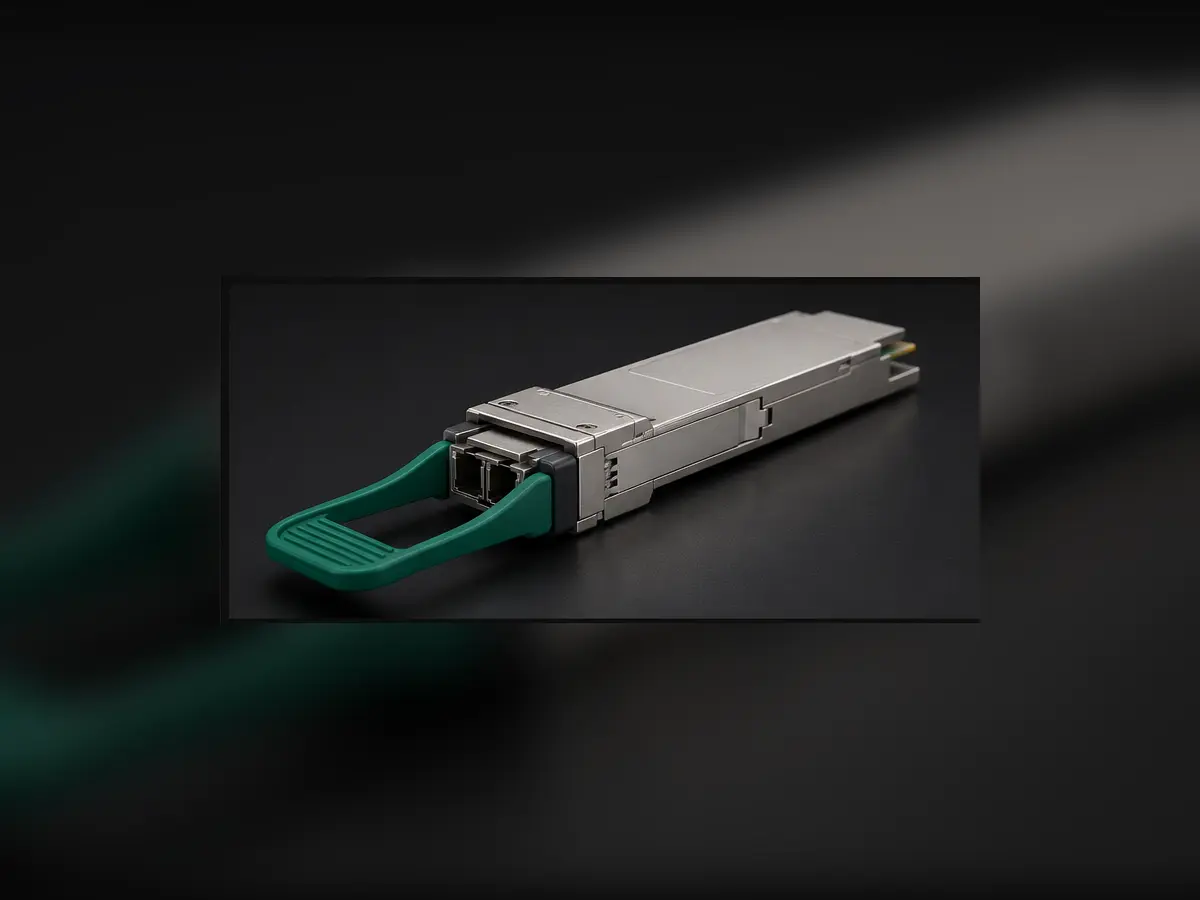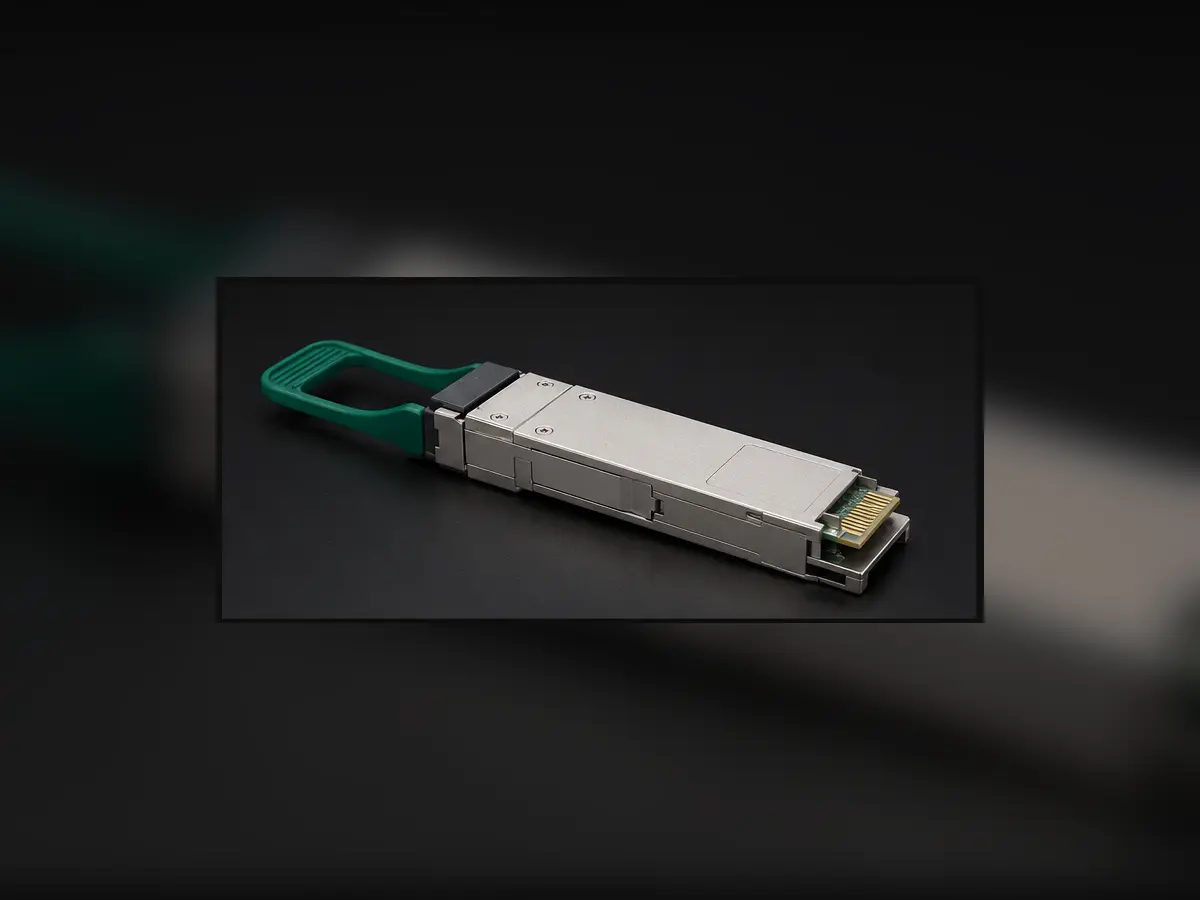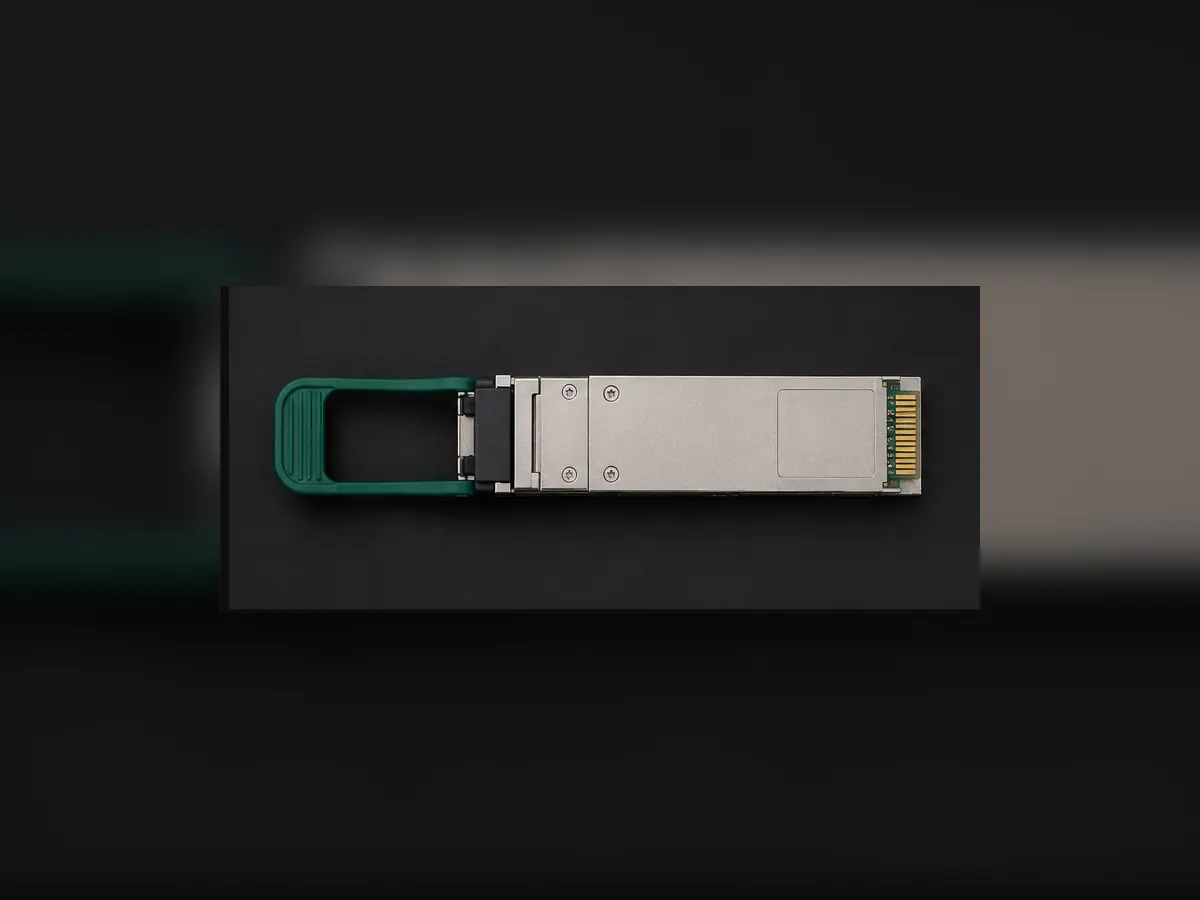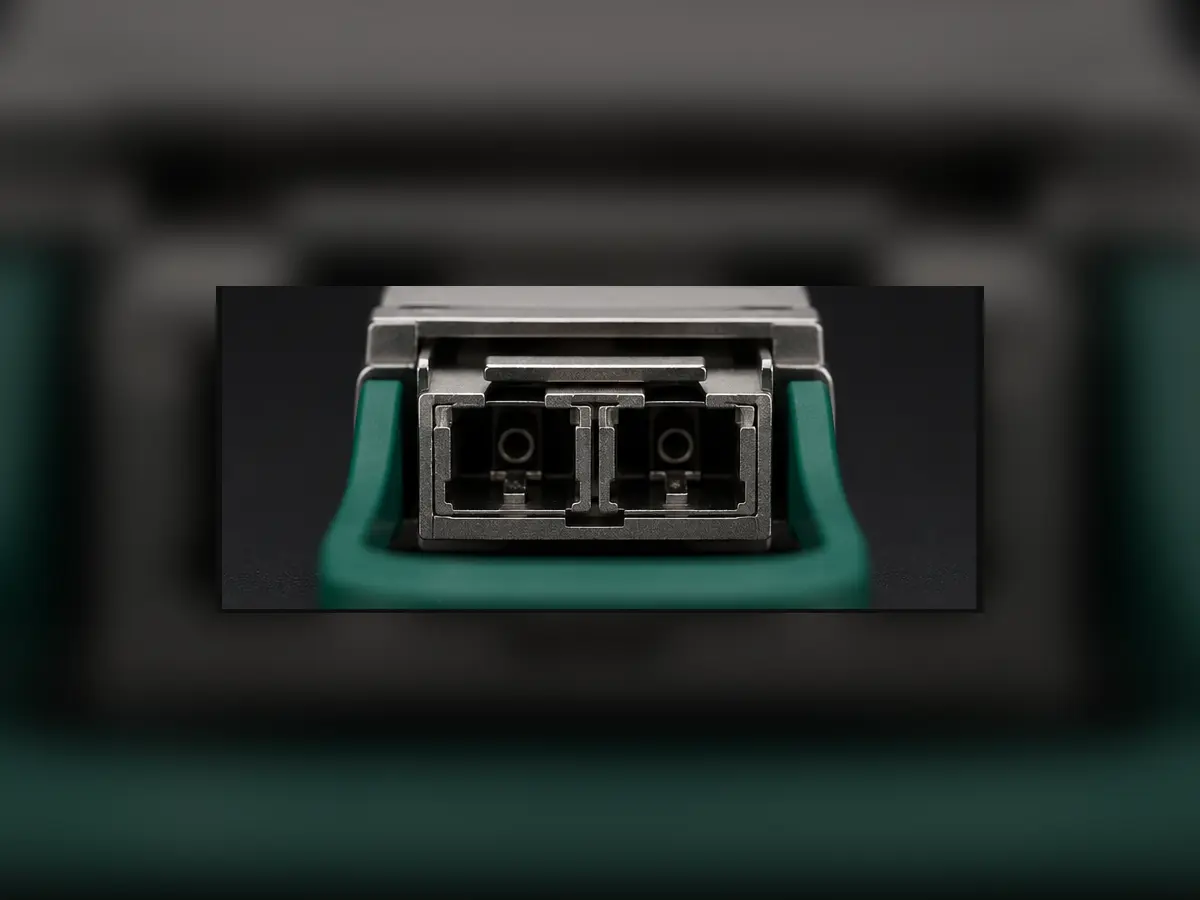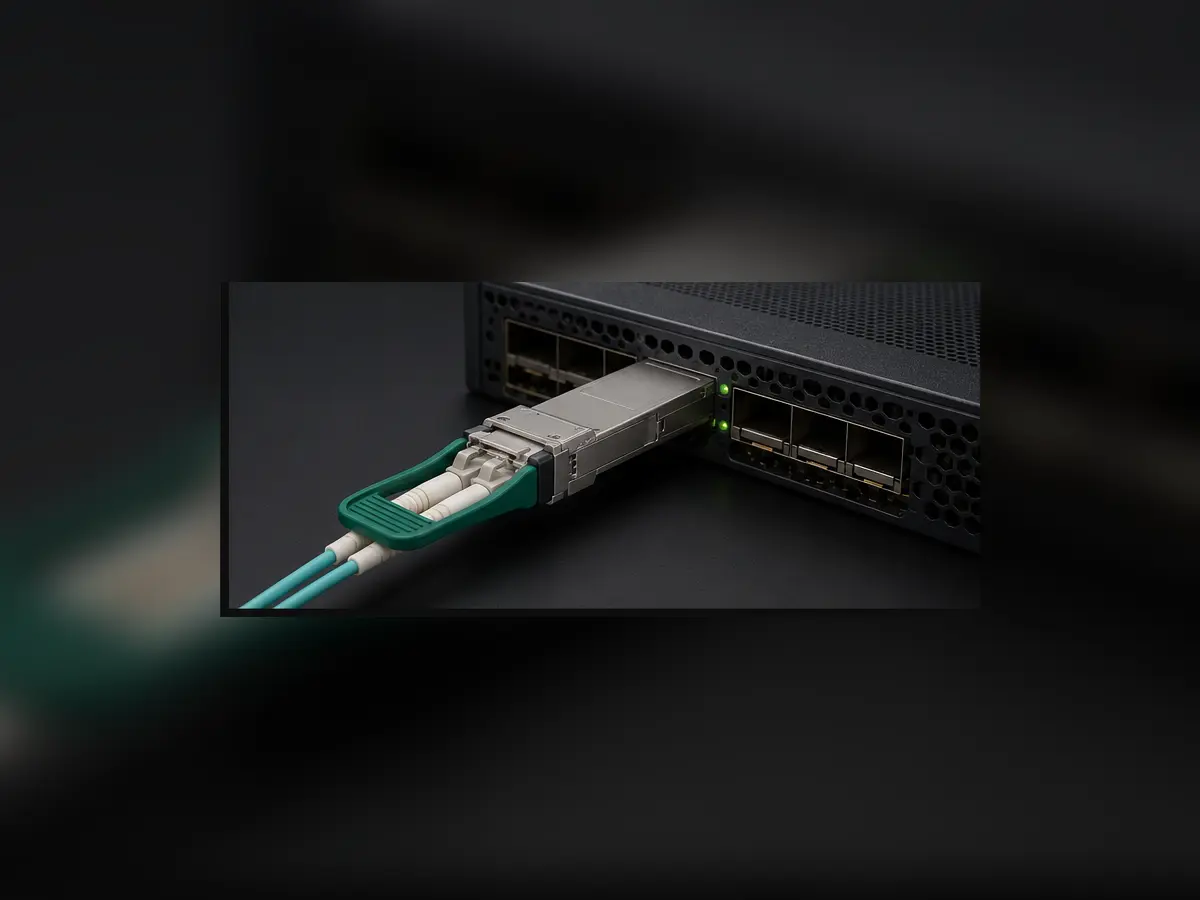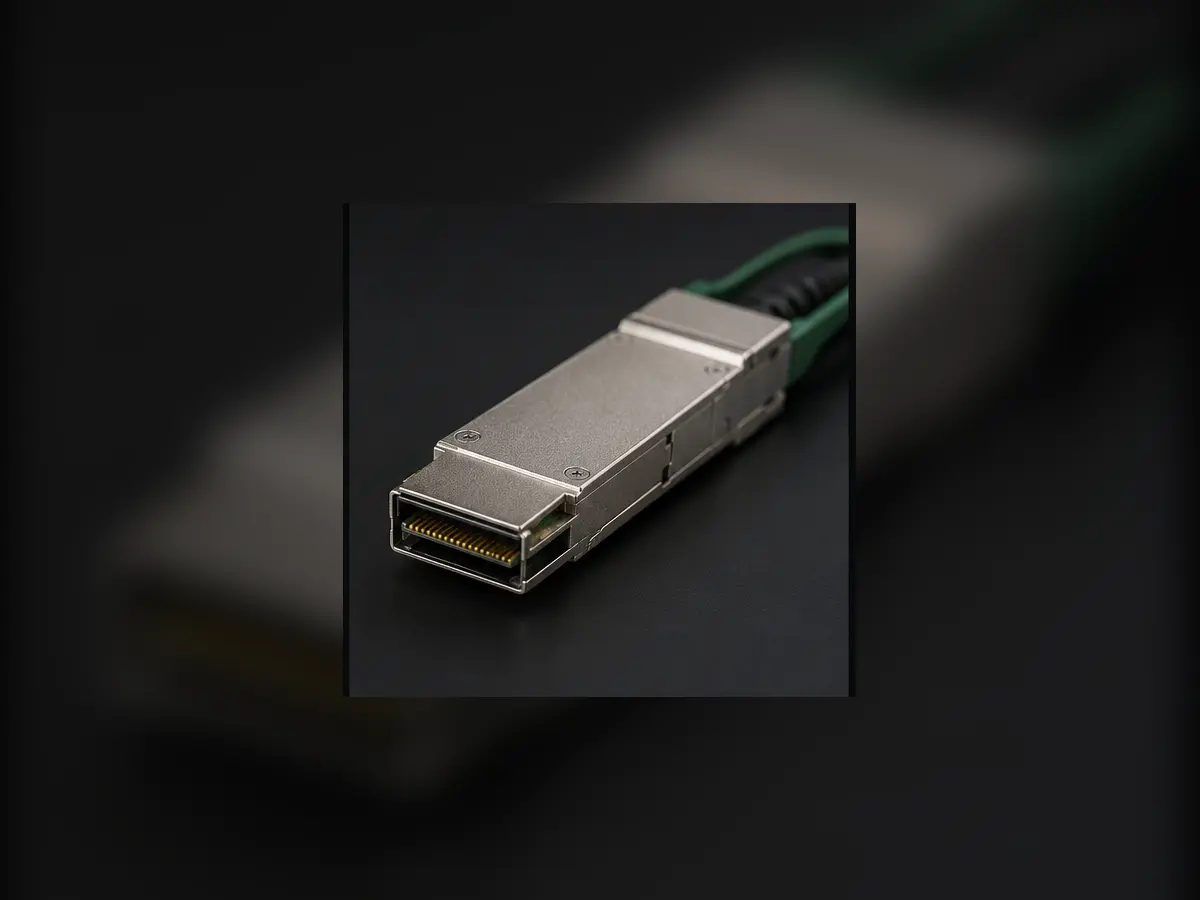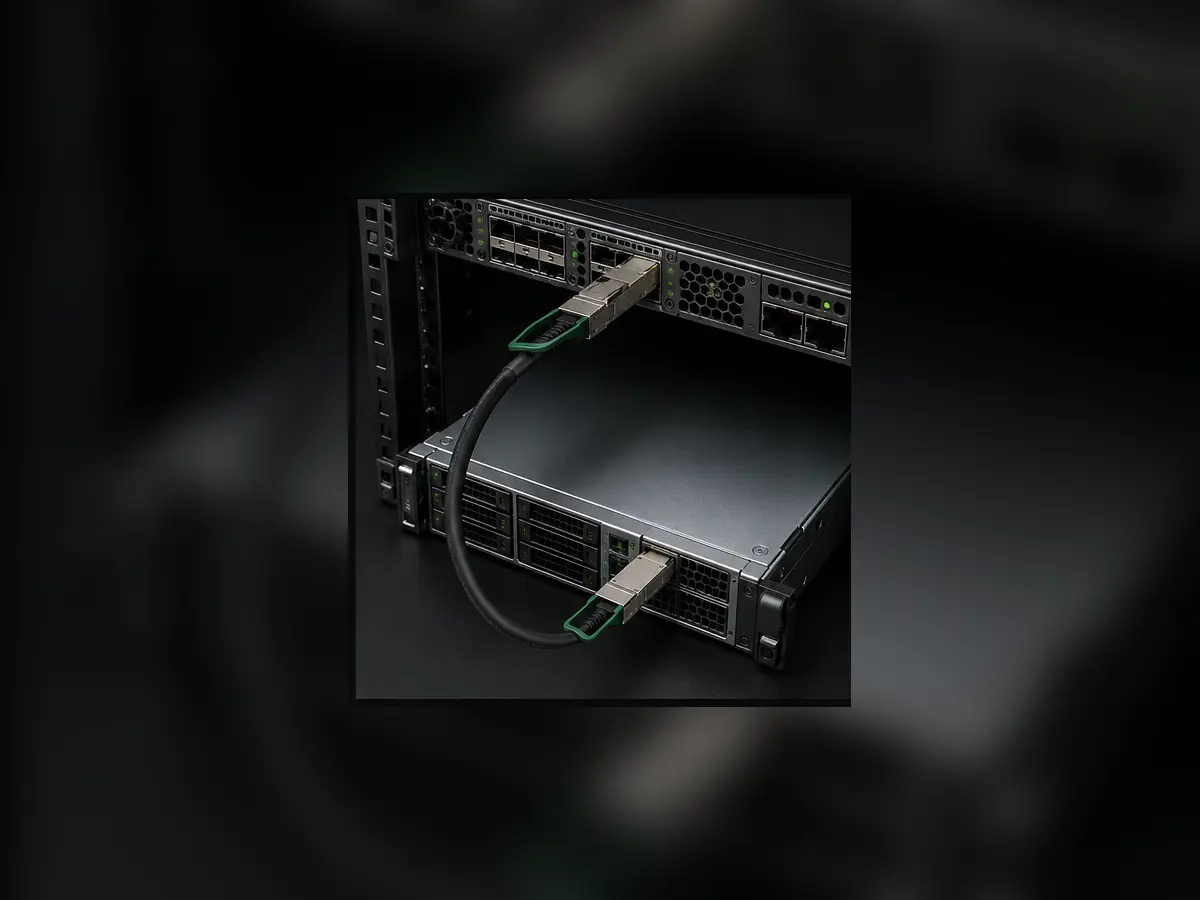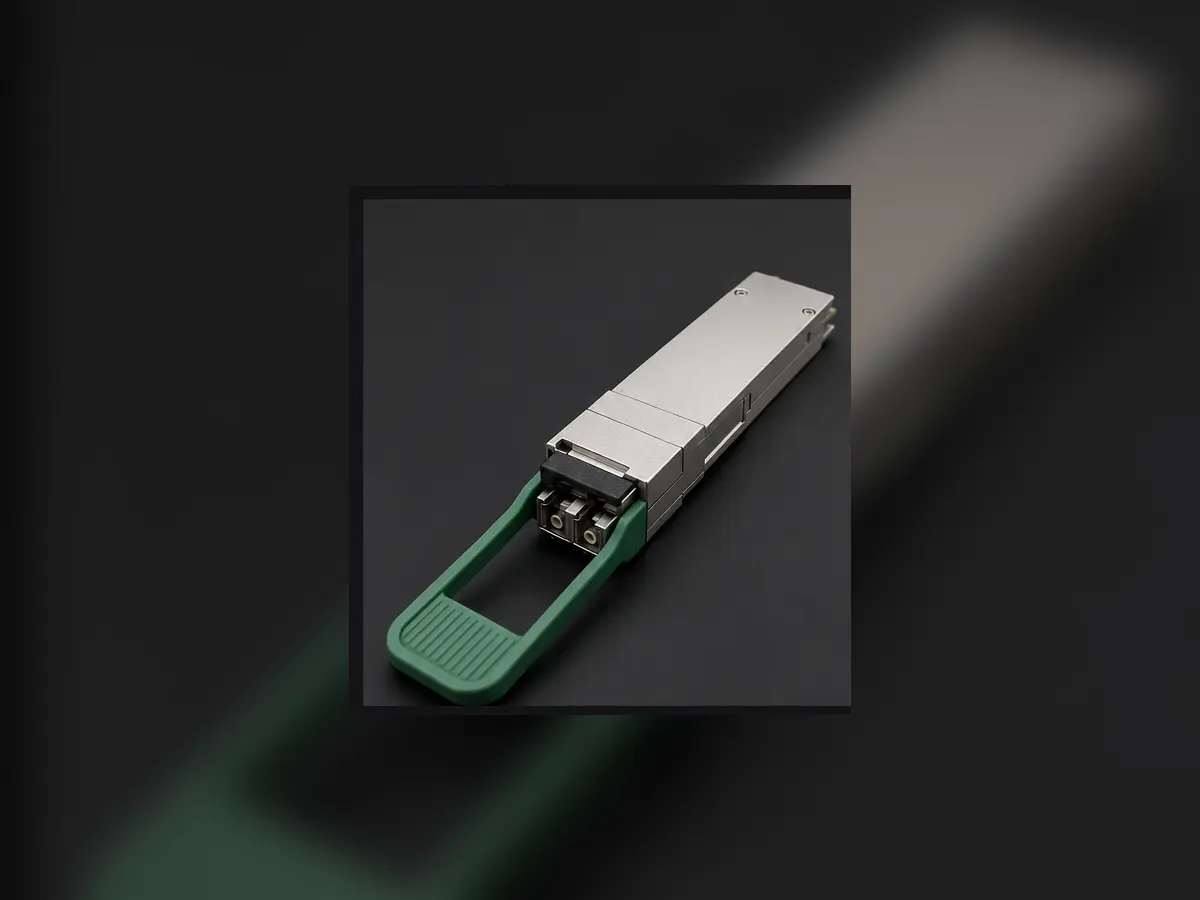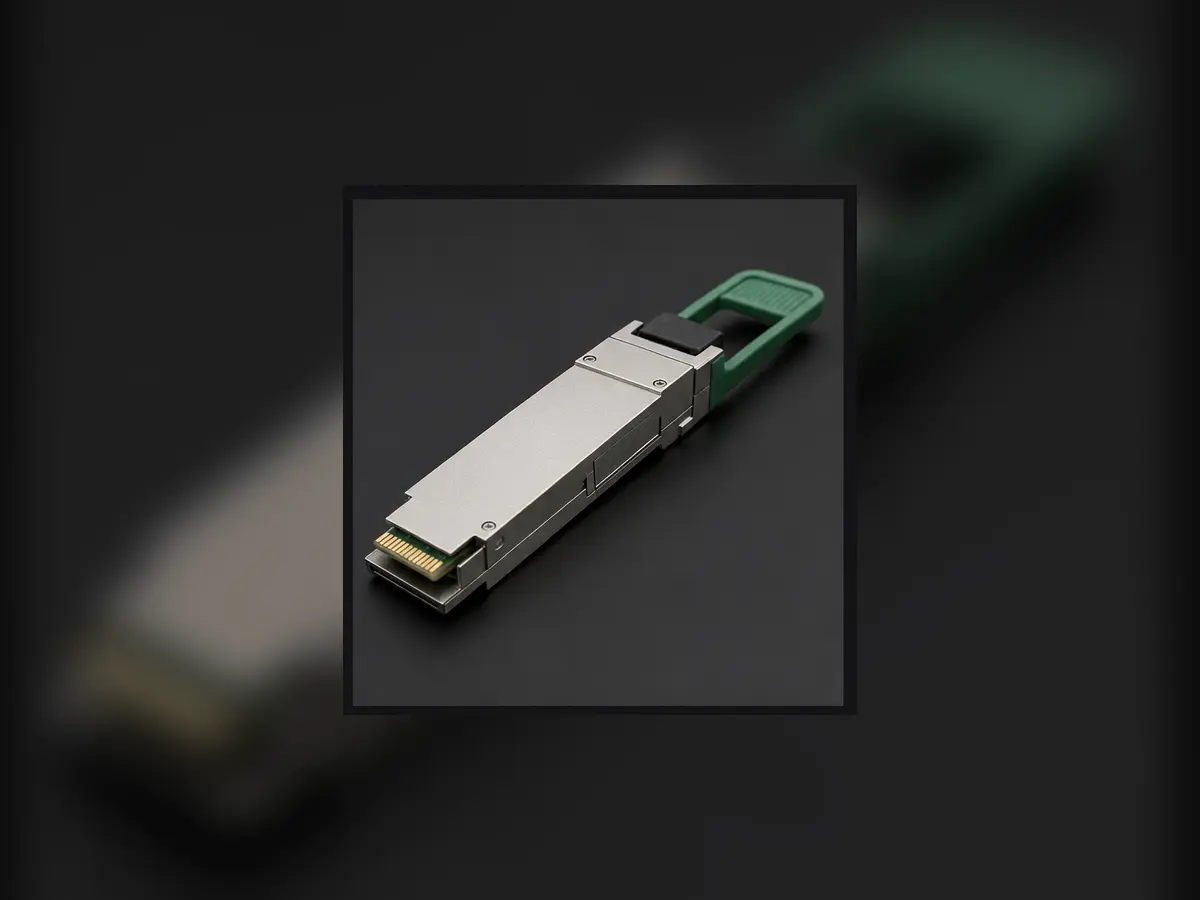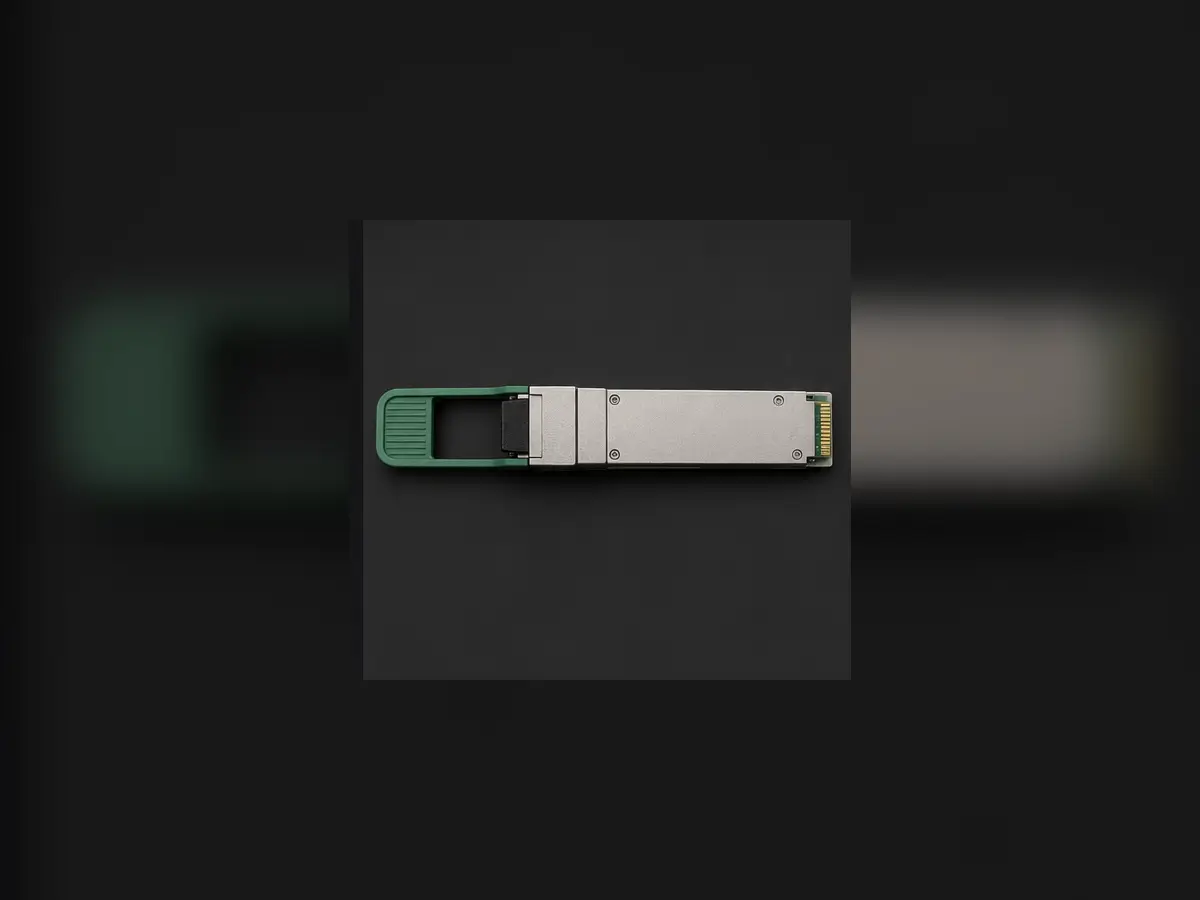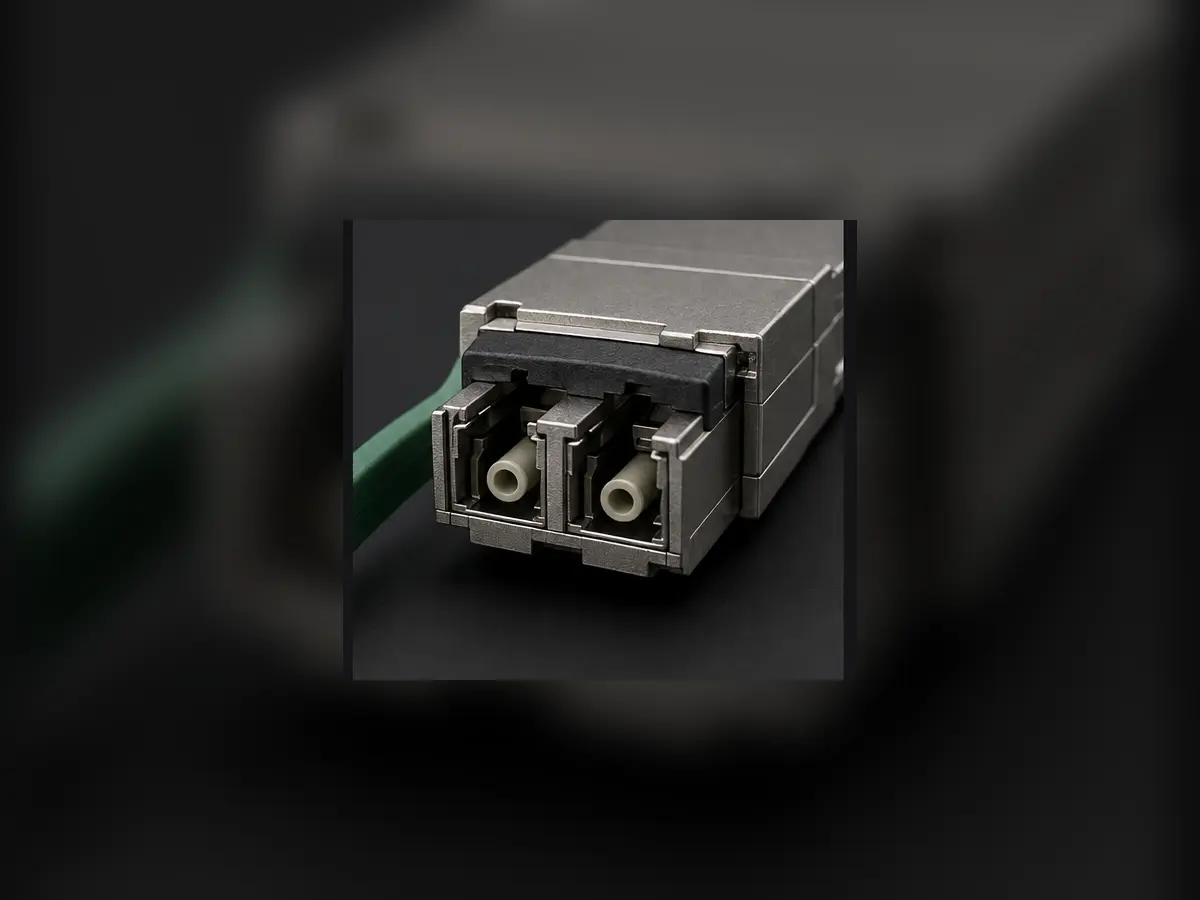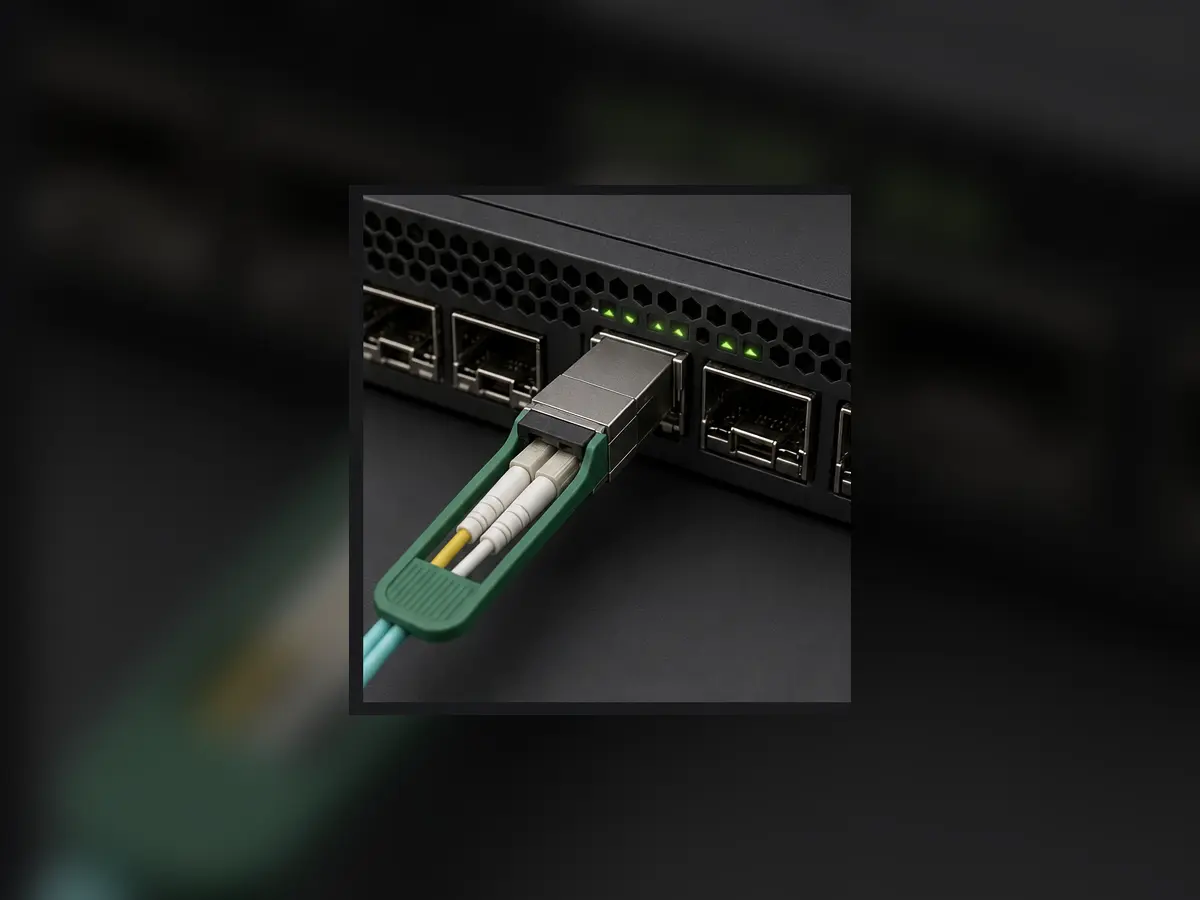
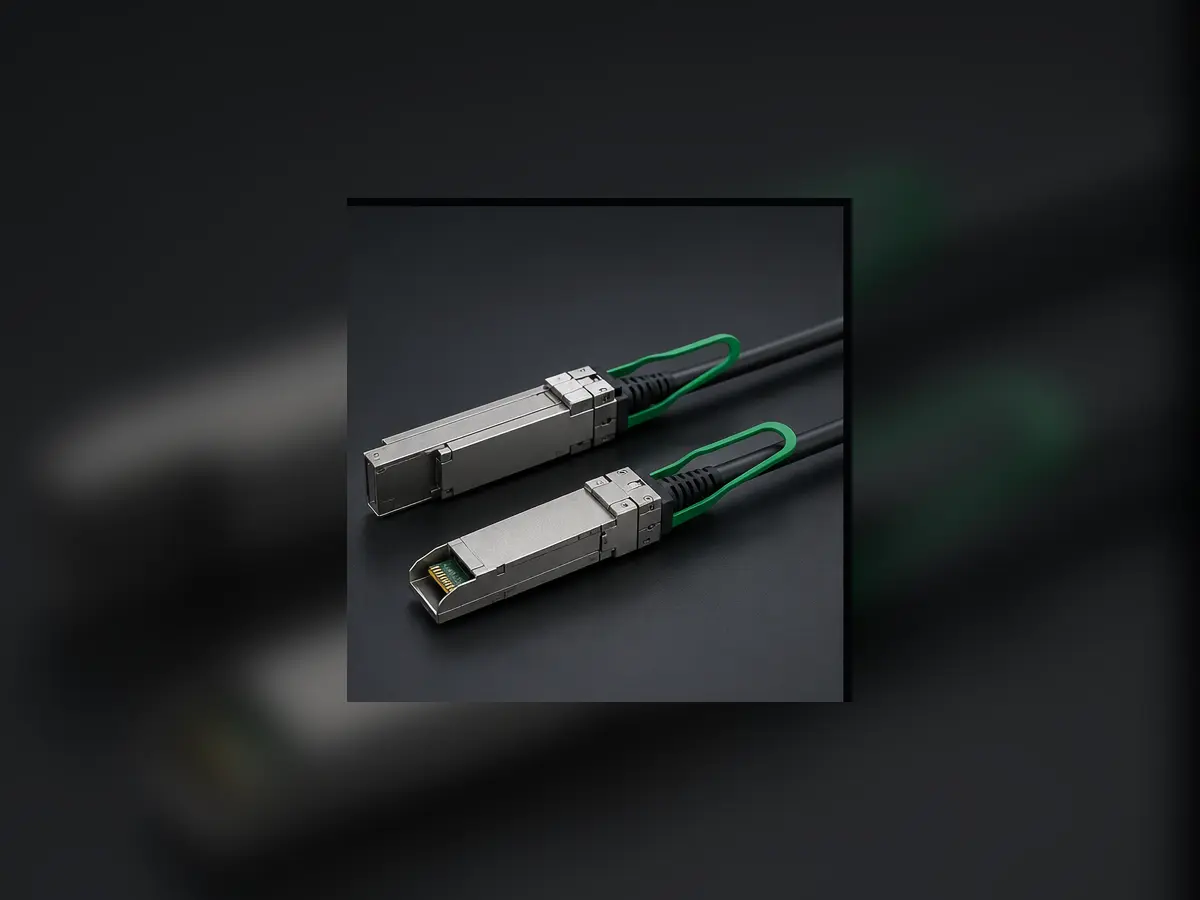
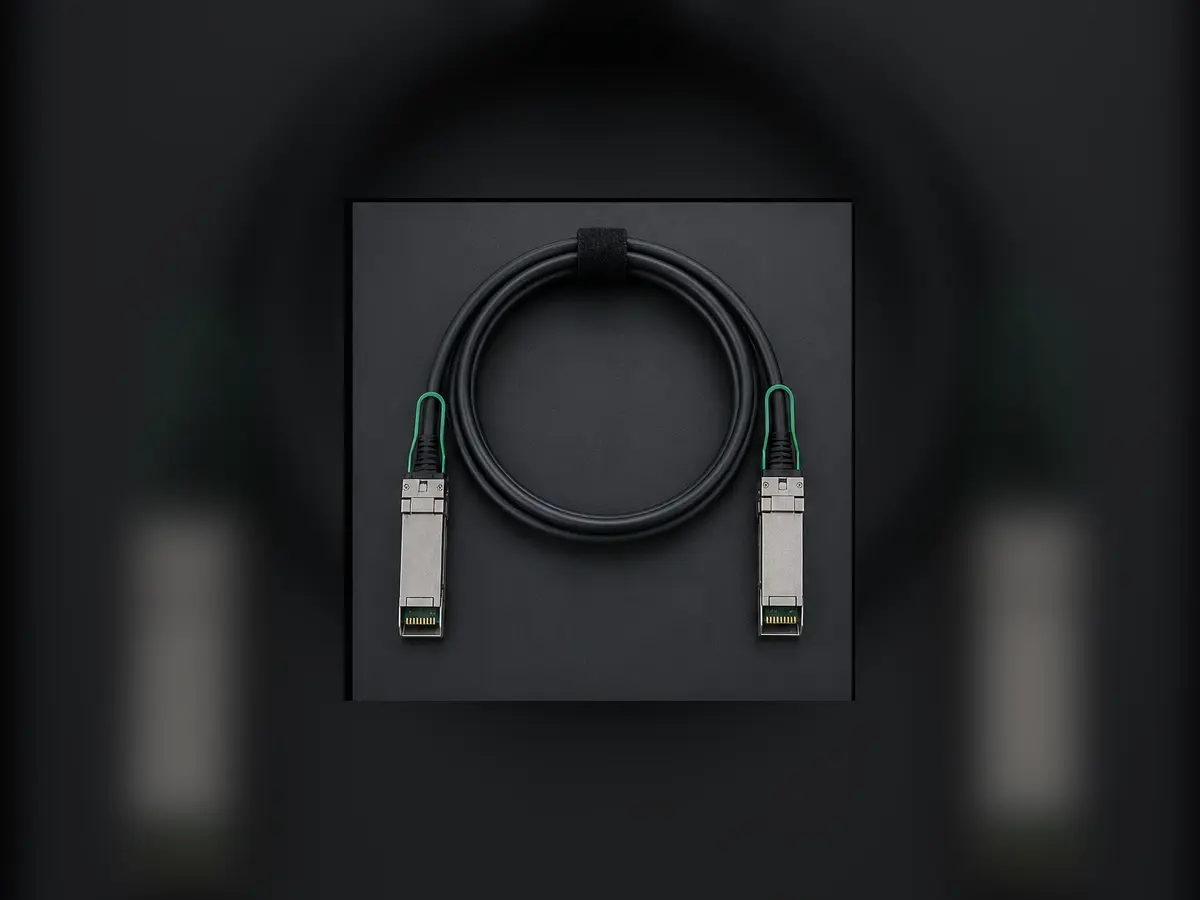
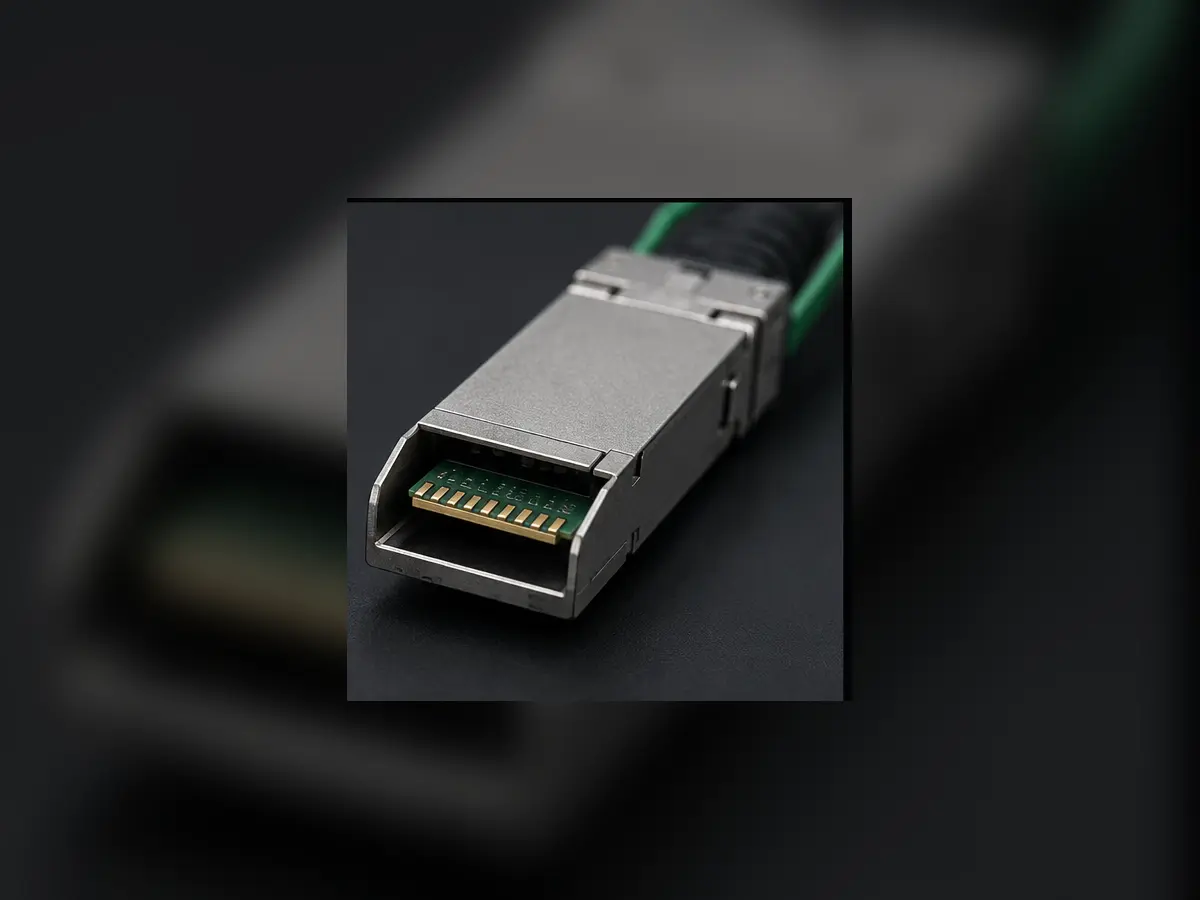
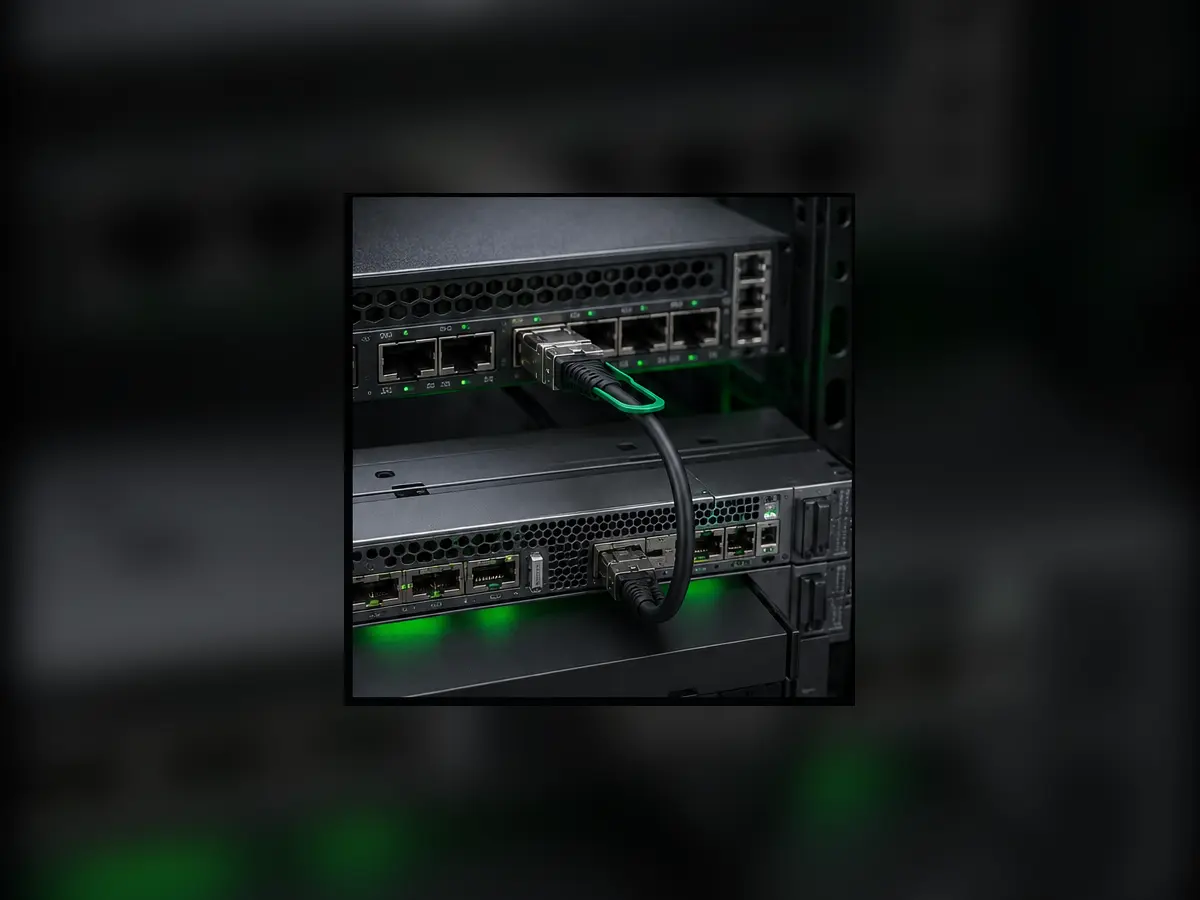
The 200G QSFP56 FR4 2km LC transceiver is intended for 200G data-centre and interconnect links where duplex single-mode fibre, compact QSFP56 packaging and a reach of up to 2 km are required. MingApex supports specification review, host coding, sample validation and documented production supply. Final performance and compatibility are confirmed against the submitted host, link budget and approved datasheet.
Where a 200G QSFP56 FR4 link fits
FR4 is commonly evaluated for leaf-spine connections, data-centre inter-building links, aggregation and short DCI applications that exceed multimode SR4 reach but do not require long-haul optics. The duplex LC interface can reduce fibre count compared with parallel-fibre architectures, while the 2 km class supports many campus and data-centre paths.
The purchasing decision should consider the complete link: host port, electrical lane mode, FEC, optical loss, patch panels, connector condition, operating temperature and link partner. Nominal speed alone is not enough to release a production order.
Technical requirement matrix
| Requirement | Project confirmation |
|---|---|
| Form factor and rate | QSFP56, 200G port and host-supported electrical lane architecture. |
| Optical interface | FR4-class duplex single-mode link, LC connector and planned reach up to 2 km. |
| Fibre path | OS2 fibre, patch panels, connector count and measured/estimated loss. |
| FEC | Required host and link-partner FEC mode, verified during sample testing. |
| Host compatibility | Platform, line card or adapter, software release and coding profile. |
| Monitoring | DOM/DDM visibility for temperature, voltage, bias and optical power. |
| Environment | Commercial or industrial temperature requirement and airflow context. |
| Order control | Approved sample, label, serial convention, firmware/coding and lot record. |
FR4 versus SR4 for data-centre planning
A 200G SR4 module normally serves short parallel-fibre links and uses MPO/MTP infrastructure, while FR4 targets longer duplex single-mode paths with LC connectivity. The correct choice depends on installed fibre, reach, patching strategy, connector-loss budget and future cabling plans. Buyers should not interchange the two solely because both operate at 200G.
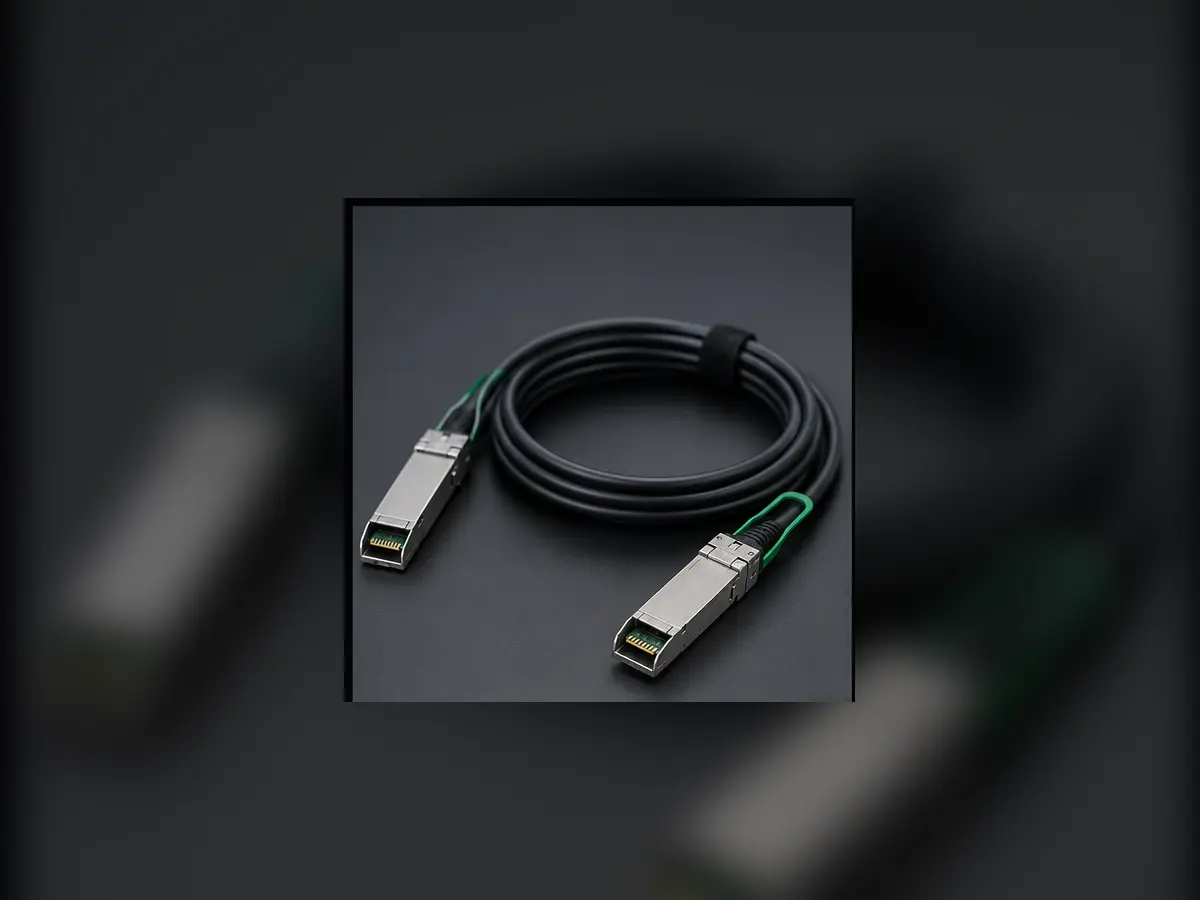
For a short in-row or adjacent-rack link, SR4 or a cable solution may be more appropriate. For longer paths or duplex single-mode infrastructure, FR4 can simplify fibre usage. Use the data-centre optics overview to frame the network application before selecting the module.
FEC and host-port validation
200G links rely on the correct electrical lane and FEC configuration. Before sample approval, record the native port mode, any breakout setting, the host-side FEC policy and the link partner. A module may be recognised while the link remains unstable because the two ends use incompatible FEC or lane configurations.
Compatibility testing should name the exact switch, router or network adapter, software release and port. Where a vendor-specific identity is required, the coding profile must be associated with the approved sample and repeat-order reference. The transceiver coding workflow explains the fields that should remain controlled.
Link-budget and optical-power checks
Build the link budget from fibre attenuation, connector pairs, splices, patch panels and an engineering margin. During validation, compare transmit and receive power with the approved specification and check DOM values after the link has stabilised. Unexpected loss should trigger inspection of connector cleanliness, polarity, patching and measurement method rather than an immediate assumption that the module is defective.
For documented checks, refer to optical power and DOM testing.
Sample acceptance before production
A useful sample report includes physical and label inspection, host recognition, negotiated speed, FEC state, link establishment, alarms, DOM readings and an appropriate traffic or stability test. The record should identify the sample serial number, host, port, software, link partner, fibre path and test duration.
Approval applies only to that documented configuration. If the production order changes the host, reach, temperature class, coding or link architecture, the change should be reviewed. Follow the sample validation process before releasing volume production.
Production-lot and repeat-order evidence
The production order can retain the approved optical specification, coding profile, firmware reference, label and serial format. Depending on the project risk, release evidence may include optical-power results, DOM checks, coding verification, label samples and production-lot inspection. Changes to chipset, optical subassembly, firmware profile or identification should be disclosed before shipment.
Request a 200G QSFP56 FR4 quotation
Send the host model, software release, port mode, FEC requirement, link partner, fibre route, expected loss, temperature class, quantity and destination. State whether the request is for a sample, qualification batch or production order. MingApex will identify assumptions, compatibility scope and available evidence before quotation. Submit a structured RFQ.