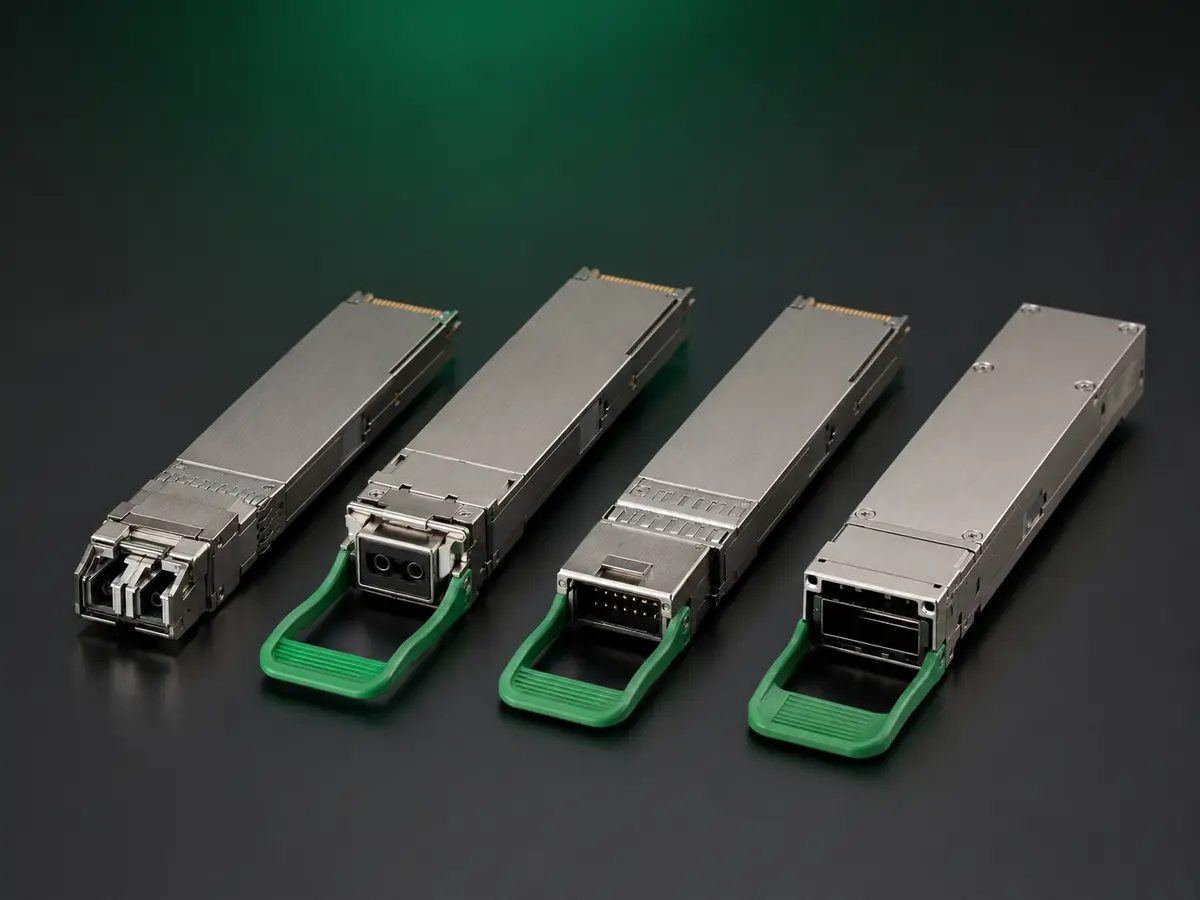
An optical-transceiver quality-control buyer’s guide must join specification review, supplier capability, sample validation, production controls, inspection, traceability, failure handling, change control and repeat-order evidence.
Configuration-specific field case
Audit a buyer programme from RFQ through repeat order. Select identified samples, witness critical production tests, define lot sampling, retain raw optical distributions and link failures to serials, component lots and corrective action. Receiving inspection compares the delivered revision with the golden record. Any BOM, firmware, factory or test-flow change triggers impact review before old approval can be reused.
Define the operating boundary
Begin OpticalQualityGuide by linking RFQ baseline to audit report. Keep supplier audit beside quality plan, then reconcile sample identity through release record. Do not infer production test from a catalogue label. If distribution is deleted, the scope stays open; if failure link is missing, release stops. The written boundary names hardware, route, environment, serial range and revision.
Build a measurement plan
Measurements for OpticalQualityGuide start with production test and the retained release record. Use failure file to challenge lot sampling, while test export establishes the status of raw distribution. Record failure serial independently. Evidence is incomplete whenever failure link is missing; the lot is blocked when change bypassed review. Preserve raw values, method, instrument, date and failed runs.
Choose representative samples
Sampling in OpticalQualityGuide covers the distribution of failure serial, not a convenient unit. Select serials through test export, compare component lot with sample dossier, and use audit report to expose variation in corrective action. Include golden record in the sample identity. Reopen selection if change bypassed review; reject substitution if reorder identity differs.
Examine the physical implementation
The physical implementation behind OpticalQualityGuide is documented through golden record, change review and reorder release. Photographs and route observations accompany audit report; measured behaviour is stored in quality plan; product identity comes from release record. Treat RFQ baseline as an explicit constraint. A finding of reorder identity differs or requirement is vague prevents an unsupported field claim.
Run the difficult operating states
Stress work for OpticalQualityGuide exercises RFQ baseline before changing supplier audit. Capture release record during the transition, retain failure file after recovery, and compare sample identity with test export. The status of production test remains fixed for each run. Stop the sequence when requirement is vague; quarantine affected identities when sample is untraceable.
Investigate weak and failed results
A weak result in OpticalQualityGuide is investigated without deleting the original test export. Relate production test to sample dossier, test lot sampling with one controlled variable, and review raw distribution against audit report. The investigator records failure serial before intervention. Root cause is not closed if sample is untraceable, and corrective action fails when distribution is deleted.
Connect technical and commercial decisions
Commercial comparison for OpticalQualityGuide uses the same obligation around failure serial, component lot, corrective action and golden record. Attach audit report to the quoted scope, quality plan to the acceptance cost and release record to continuing support. A low price cannot close distribution is deleted; an award cannot proceed while failure link is missing.
Design receiving inspection
Receiving inspection translates OpticalQualityGuide into checks for golden record and change review. Inspectors sample against release record, verify reorder release through failure file, and reconcile RFQ baseline with test export. Segregate the delivery if failure link is missing. Do not relabel or retest away a finding that change bypassed review.
Control revisions and substitutions
Revision control for OpticalQualityGuide compares current RFQ baseline with the approved test export. Assess supplier audit through sample dossier and trace sample identity in audit report; keep production test visible to installed-base owners. A change is material when change bypassed review. Previous approval cannot cover a state where reorder identity differs.
Write the final release record
The final decision for OpticalQualityGuide cites audit report, quality plan and release record. It states the accepted values for production test, lot sampling, raw distribution and failure serial, plus owners for every open action. Release is withheld if reorder identity differs; revalidation is mandatory if requirement is vague. Passing and failed evidence remain in one reviewable record.
OpticalQualityGuide: evidence ownership
RFQ baseline belongs to the owner of audit report, while supplier audit is reviewed by the custodian of quality plan. In OpticalQualityGuide, this separation prevents a commercial statement from overwriting a measured fact. sample identity remains an open action until release record identifies the applicable revision. If distribution is deleted, the unresolved responsibility is escalated before any order line is approved.
OpticalQualityGuide: margin interpretation
Margin in OpticalQualityGuide is interpreted through raw distribution, failure serial and component lot together. A favourable value in failure file cannot compensate for a weak distribution in test export. The review also checks corrective action and golden record under the same operating boundary. Where reorder identity differs, engineering records the remaining service consequence instead of describing the result as a general pass.
OpticalQualityGuide: serial trace
Serial trace begins with audit report and follows change review into quality plan. The path then connects reorder release, RFQ baseline and supplier audit to the buyer order line. For OpticalQualityGuide, release record must let an independent reviewer identify the tested and delivered populations. If distribution is deleted, the affected range is quarantined rather than reconstructed from memory.
OpticalQualityGuide: operational consequence
The operational decision for OpticalQualityGuide asks what happens when production test drifts, lot sampling changes or raw distribution becomes unavailable. The answer uses failure file for the immediate response, test export for recovery and sample dossier for the longer corrective action. failure serial and component lot determine whether service can continue. A condition of distribution is deleted is recorded as an operating risk, not hidden as a purchasing note.
OpticalQualityGuide: exception handling
An exception in OpticalQualityGuide states quantity, serial scope, owner, expiry and revalidation trigger. It names corrective action as the deviating field, keeps golden record and change review at the approved state, and cites audit report plus quality plan. When reorder identity differs, the exception cannot be renewed automatically. Evidence in release record is required before the isolated decision can become a standard configuration.
OpticalQualityGuide: supplier comparison
Supplier comparison for OpticalQualityGuide uses common boundaries for supplier audit, sample identity, production test, lot sampling and raw distribution. Each candidate submits failure file, test export and sample dossier in a reviewable form. If distribution is deleted, the offer is marked incomplete rather than assigned an assumed value. The award record explains the rejected alternatives and preserves the commercial consequence of every technical exclusion.
OpticalQualityGuide: field feedback
Field feedback returns to OpticalQualityGuide through the serial identity in audit report. Reviewers compare the event with failure serial, component lot and corrective action, then use quality plan to decide whether the issue is isolated or systemic. release record links containment to warehouse and installed populations. A recurrence of distribution is deleted reopens the relevant qualification instead of being treated as an unrelated service ticket.
OpticalQualityGuide: repeat-order boundary
A repeat order for OpticalQualityGuide compares current reorder release, RFQ baseline, supplier audit, sample identity and production test with the last released state. The buyer reviews failure file, test export and sample dossier before confirming quantity or date. If reorder identity differs or requirement is vague, old approval does not transfer. The new decision states whether retest is local, regression-based or a complete qualification.
Applied review narrative: OpticalQualityGuide
During OpticalQualityGuide, RFQ baseline is read with audit report; OpticalQualityGuide compares supplier audit against quality plan; OpticalQualityGuide then links sample identity to release record. For this review cycle, OpticalQualityGuide keeps production test beside failure file, while OpticalQualityGuide treats lot sampling and raw distribution as separate decision inputs. If distribution is deleted, OpticalQualityGuide pauses the affected gate. If failure link is missing, OpticalQualityGuide identifies the exposed serial population. When change bypassed review, OpticalQualityGuide records containment, owner, completion evidence and the exact condition for another test. The resulting paragraph lets engineering, quality and purchasing read one coherent decision without converting an unknown into an assumed pass.
During OpticalQualityGuide, component lot is read with sample dossier; OpticalQualityGuide compares corrective action against audit report; OpticalQualityGuide then links golden record to quality plan. For this review cycle, OpticalQualityGuide keeps change review beside release record, while OpticalQualityGuide treats reorder release and RFQ baseline as separate decision inputs. If requirement is vague, OpticalQualityGuide pauses the affected gate. If sample is untraceable, OpticalQualityGuide identifies the exposed serial population. When distribution is deleted, OpticalQualityGuide records containment, owner, completion evidence and the exact condition for another test.
During OpticalQualityGuide, sample identity is read with test export; OpticalQualityGuide compares production test against sample dossier; OpticalQualityGuide then links lot sampling to audit report. For this review cycle, OpticalQualityGuide keeps raw distribution beside quality plan, while OpticalQualityGuide treats failure serial and component lot as separate decision inputs. If change bypassed review, OpticalQualityGuide pauses the affected gate. If reorder identity differs, OpticalQualityGuide identifies the exposed serial population. When requirement is vague, OpticalQualityGuide records containment, owner, completion evidence and the exact condition for another test.
During OpticalQualityGuide, golden record is read with failure file; OpticalQualityGuide compares change review against test export; OpticalQualityGuide then links reorder release to sample dossier. For this review cycle, OpticalQualityGuide keeps RFQ baseline beside audit report, while OpticalQualityGuide treats supplier audit and sample identity as separate decision inputs. If distribution is deleted, OpticalQualityGuide pauses the affected gate.
During OpticalQualityGuide, lot sampling is read with release record; OpticalQualityGuide compares raw distribution against failure file; OpticalQualityGuide then links failure serial to test export. For this review cycle, OpticalQualityGuide keeps component lot beside sample dossier, while OpticalQualityGuide treats corrective action and golden record as separate decision inputs. If requirement is vague, OpticalQualityGuide pauses the affected gate.
During OpticalQualityGuide, reorder release is read with quality plan; OpticalQualityGuide compares RFQ baseline against release record; OpticalQualityGuide then links supplier audit to failure file. For this review cycle, OpticalQualityGuide keeps sample identity beside test export, while OpticalQualityGuide treats production test and lot sampling as separate decision inputs. If change bypassed review, OpticalQualityGuide pauses the affected gate.
During OpticalQualityGuide, failure serial is read with audit report; OpticalQualityGuide compares component lot against quality plan; OpticalQualityGuide then links corrective action to release record. For this review cycle, OpticalQualityGuide keeps golden record beside failure file, while OpticalQualityGuide treats change review and reorder release as separate decision inputs. If distribution is deleted, OpticalQualityGuide pauses the affected gate.
During OpticalQualityGuide, supplier audit is read with sample dossier; OpticalQualityGuide compares sample identity against audit report; OpticalQualityGuide then links production test to quality plan. For this review cycle, OpticalQualityGuide keeps lot sampling beside release record, while OpticalQualityGuide treats raw distribution and failure serial as separate decision inputs. If requirement is vague, OpticalQualityGuide pauses the affected gate.
During OpticalQualityGuide, corrective action is read with test export; OpticalQualityGuide compares golden record against sample dossier; OpticalQualityGuide then links change review to audit report. For this review cycle, OpticalQualityGuide keeps reorder release beside quality plan, while OpticalQualityGuide treats RFQ baseline and supplier audit as separate decision inputs. If change bypassed review, OpticalQualityGuide pauses the affected gate.
During OpticalQualityGuide, production test is read with failure file; OpticalQualityGuide compares lot sampling against test export; OpticalQualityGuide then links raw distribution to sample dossier. For this review cycle, OpticalQualityGuide keeps failure serial beside audit report, while OpticalQualityGuide treats component lot and corrective action as separate decision inputs. If distribution is deleted, OpticalQualityGuide pauses the affected gate.
During OpticalQualityGuide, change review is read with release record; OpticalQualityGuide compares reorder release against failure file; OpticalQualityGuide then links RFQ baseline to test export. For this review cycle, OpticalQualityGuide keeps supplier audit beside sample dossier, while OpticalQualityGuide treats sample identity and production test as separate decision inputs. If requirement is vague, OpticalQualityGuide pauses the affected gate.
During OpticalQualityGuide, raw distribution is read with quality plan; OpticalQualityGuide compares failure serial against release record; OpticalQualityGuide then links component lot to failure file. For this review cycle, OpticalQualityGuide keeps corrective action beside test export, while OpticalQualityGuide treats golden record and change review as separate decision inputs. If change bypassed review, OpticalQualityGuide pauses the affected gate.
Decision diary for OpticalQualityGuide
To scope the request, OpticalQualityGuide begins with RFQ baseline and the dated audit report. The OpticalQualityGuide reviewer places supplier audit beside quality plan, because OpticalQualityGuide cannot infer that relationship from a part name. Next, OpticalQualityGuide uses sample identity to interpret release record and keeps production test linked to failure file. The OpticalQualityGuide record separates lot sampling from raw distribution, preventing one favourable observation from standing in for the complete boundary. If distribution is deleted, OpticalQualityGuide records an open technical action; if failure link is missing, OpticalQualityGuide identifies affected serials and inventory; if change bypassed review, OpticalQualityGuide requires a new approval decision. This diary entry preserves who acted, what changed, which raw evidence was retained and why the resulting conclusion applies only to the named configuration.
To prepare the bench, OpticalQualityGuide begins with raw distribution and the dated test export. The OpticalQualityGuide reviewer places failure serial beside sample dossier, because OpticalQualityGuide cannot infer that relationship from a part name. Next, OpticalQualityGuide uses component lot to interpret audit report and keeps corrective action linked to quality plan. The OpticalQualityGuide record separates golden record from change review, preventing one favourable observation from standing in for the complete boundary. If reorder identity differs, OpticalQualityGuide records an open technical action; if requirement is vague, OpticalQualityGuide identifies affected serials and inventory; if sample is untraceable, OpticalQualityGuide requires a new approval decision.
To select field routes, OpticalQualityGuide begins with change review and the dated release record. The OpticalQualityGuide reviewer places reorder release beside failure file, because OpticalQualityGuide cannot infer that relationship from a part name. Next, OpticalQualityGuide uses RFQ baseline to interpret test export and keeps supplier audit linked to sample dossier. The OpticalQualityGuide record separates sample identity from production test, preventing one favourable observation from standing in for the complete boundary.
To observe normal service, OpticalQualityGuide begins with production test and the dated audit report. The OpticalQualityGuide reviewer places lot sampling beside quality plan, because OpticalQualityGuide cannot infer that relationship from a part name. Next, OpticalQualityGuide uses raw distribution to interpret release record and keeps failure serial linked to failure file. The OpticalQualityGuide record separates component lot from corrective action, preventing one favourable observation from standing in for the complete boundary.
To introduce controlled stress, OpticalQualityGuide begins with corrective action and the dated test export. The OpticalQualityGuide reviewer places golden record beside sample dossier, because OpticalQualityGuide cannot infer that relationship from a part name. Next, OpticalQualityGuide uses change review to interpret audit report and keeps reorder release linked to quality plan. The OpticalQualityGuide record separates RFQ baseline from supplier audit, preventing one favourable observation from standing in for the complete boundary.
To inspect an outlier, OpticalQualityGuide begins with supplier audit and the dated release record. The OpticalQualityGuide reviewer places sample identity beside failure file, because OpticalQualityGuide cannot infer that relationship from a part name. Next, OpticalQualityGuide uses production test to interpret test export and keeps lot sampling linked to sample dossier. The OpticalQualityGuide record separates raw distribution from failure serial, preventing one favourable observation from standing in for the complete boundary.
To compare the candidates, OpticalQualityGuide begins with failure serial and the dated audit report. The OpticalQualityGuide reviewer places component lot beside quality plan, because OpticalQualityGuide cannot infer that relationship from a part name. Next, OpticalQualityGuide uses corrective action to interpret release record and keeps golden record linked to failure file. The OpticalQualityGuide record separates change review from reorder release, preventing one favourable observation from standing in for the complete boundary.
To review production identity, OpticalQualityGuide begins with reorder release and the dated test export. The OpticalQualityGuide reviewer places RFQ baseline beside sample dossier, because OpticalQualityGuide cannot infer that relationship from a part name. Next, OpticalQualityGuide uses supplier audit to interpret audit report and keeps sample identity linked to quality plan. The OpticalQualityGuide record separates production test from lot sampling, preventing one favourable observation from standing in for the complete boundary.
To decide lot disposition, OpticalQualityGuide begins with lot sampling and the dated release record. The OpticalQualityGuide reviewer places raw distribution beside failure file, because OpticalQualityGuide cannot infer that relationship from a part name. Next, OpticalQualityGuide uses failure serial to interpret test export and keeps component lot linked to sample dossier. The OpticalQualityGuide record separates corrective action from golden record, preventing one favourable observation from standing in for the complete boundary.
To protect the installed base, OpticalQualityGuide begins with golden record and the dated audit report. The OpticalQualityGuide reviewer places change review beside quality plan, because OpticalQualityGuide cannot infer that relationship from a part name. Next, OpticalQualityGuide uses reorder release to interpret release record and keeps RFQ baseline linked to failure file. The OpticalQualityGuide record separates supplier audit from sample identity, preventing one favourable observation from standing in for the complete boundary.
To plan corrective work, OpticalQualityGuide begins with sample identity and the dated test export. The OpticalQualityGuide reviewer places production test beside sample dossier, because OpticalQualityGuide cannot infer that relationship from a part name. Next, OpticalQualityGuide uses lot sampling to interpret audit report and keeps raw distribution linked to quality plan. The OpticalQualityGuide record separates failure serial from component lot, preventing one favourable observation from standing in for the complete boundary.
To verify the correction, OpticalQualityGuide begins with component lot and the dated release record. The OpticalQualityGuide reviewer places corrective action beside failure file, because OpticalQualityGuide cannot infer that relationship from a part name. Next, OpticalQualityGuide uses golden record to interpret test export and keeps change review linked to sample dossier. The OpticalQualityGuide record separates reorder release from RFQ baseline, preventing one favourable observation from standing in for the complete boundary.
To reconcile commercial terms, OpticalQualityGuide begins with RFQ baseline and the dated audit report.
To prepare receiving checks, OpticalQualityGuide begins with raw distribution and the dated test export.
To brief operations, OpticalQualityGuide begins with change review and the dated release record.
To review a supplier notice, OpticalQualityGuide begins with production test and the dated audit report.
To assess a repeat order, OpticalQualityGuide begins with corrective action and the dated test export.
To close the evidence file, OpticalQualityGuide begins with supplier audit and the dated release record.
Controlled observations in OpticalQualityGuide
OpticalQualityGuide maps RFQ baseline through audit report. OpticalQualityGuide tests supplier audit beside quality plan. OpticalQualityGuide isolates sample identity whenever distribution is deleted. OpticalQualityGuide records production test before reviewing release record. OpticalQualityGuide rejects lot sampling if failure link is missing. OpticalQualityGuide reopens raw distribution after change bypassed review. OpticalQualityGuide preserves failure file with the tested serial, route, environment and revision. OpticalQualityGuide therefore leaves a concise decision that another reviewer can reproduce.
OpticalQualityGuide maps raw distribution through sample dossier. OpticalQualityGuide tests failure serial beside audit report. OpticalQualityGuide isolates component lot whenever sample is untraceable. OpticalQualityGuide records corrective action before reviewing quality plan. OpticalQualityGuide rejects golden record if distribution is deleted. OpticalQualityGuide reopens change review after failure link is missing. OpticalQualityGuide preserves release record with the tested serial, route, environment and revision.
OpticalQualityGuide maps change review through test export. OpticalQualityGuide tests reorder release beside sample dossier. OpticalQualityGuide isolates RFQ baseline whenever requirement is vague. OpticalQualityGuide records supplier audit before reviewing audit report. OpticalQualityGuide rejects sample identity if sample is untraceable. OpticalQualityGuide reopens production test after distribution is deleted. OpticalQualityGuide preserves quality plan with the tested serial, route, environment and revision.
OpticalQualityGuide maps production test through failure file. OpticalQualityGuide tests lot sampling beside test export. OpticalQualityGuide isolates raw distribution whenever reorder identity differs. OpticalQualityGuide records failure serial before reviewing sample dossier. OpticalQualityGuide rejects component lot if requirement is vague. OpticalQualityGuide reopens corrective action after sample is untraceable. OpticalQualityGuide preserves audit report with the tested serial, route, environment and revision.
OpticalQualityGuide maps corrective action through release record. OpticalQualityGuide tests golden record beside failure file. OpticalQualityGuide isolates change review whenever change bypassed review. OpticalQualityGuide records reorder release before reviewing test export. OpticalQualityGuide rejects RFQ baseline if reorder identity differs. OpticalQualityGuide reopens supplier audit after requirement is vague. OpticalQualityGuide preserves sample dossier with the tested serial, route, environment and revision.
OpticalQualityGuide maps supplier audit through quality plan. OpticalQualityGuide tests sample identity beside release record. OpticalQualityGuide isolates production test whenever failure link is missing. OpticalQualityGuide records lot sampling before reviewing failure file. OpticalQualityGuide rejects raw distribution if change bypassed review. OpticalQualityGuide reopens failure serial after reorder identity differs. OpticalQualityGuide preserves test export with the tested serial, route, environment and revision.
OpticalQualityGuide maps failure serial through audit report. OpticalQualityGuide tests component lot beside quality plan. OpticalQualityGuide isolates corrective action whenever distribution is deleted. OpticalQualityGuide records golden record before reviewing release record. OpticalQualityGuide rejects change review if failure link is missing. OpticalQualityGuide reopens reorder release after change bypassed review.
OpticalQualityGuide maps reorder release through sample dossier. OpticalQualityGuide tests RFQ baseline beside audit report. OpticalQualityGuide isolates supplier audit whenever sample is untraceable. OpticalQualityGuide records sample identity before reviewing quality plan. OpticalQualityGuide rejects production test if distribution is deleted. OpticalQualityGuide reopens lot sampling after failure link is missing.
OpticalQualityGuide maps lot sampling through test export. OpticalQualityGuide tests raw distribution beside sample dossier. OpticalQualityGuide isolates failure serial whenever requirement is vague. OpticalQualityGuide records component lot before reviewing audit report. OpticalQualityGuide rejects corrective action if sample is untraceable. OpticalQualityGuide reopens golden record after distribution is deleted.
OpticalQualityGuide maps golden record through failure file. OpticalQualityGuide tests change review beside test export. OpticalQualityGuide isolates reorder release whenever reorder identity differs. OpticalQualityGuide records RFQ baseline before reviewing sample dossier. OpticalQualityGuide rejects supplier audit if requirement is vague. OpticalQualityGuide reopens sample identity after sample is untraceable.
OpticalQualityGuide maps sample identity through release record. OpticalQualityGuide tests production test beside failure file. OpticalQualityGuide isolates lot sampling whenever change bypassed review. OpticalQualityGuide records raw distribution before reviewing test export. OpticalQualityGuide rejects failure serial if reorder identity differs. OpticalQualityGuide reopens component lot after requirement is vague.
OpticalQualityGuide maps component lot through quality plan. OpticalQualityGuide tests corrective action beside release record. OpticalQualityGuide isolates golden record whenever failure link is missing. OpticalQualityGuide records change review before reviewing failure file. OpticalQualityGuide rejects reorder release if change bypassed review. OpticalQualityGuide reopens RFQ baseline after reorder identity differs.
Controlled handover
Release only the named configuration through the MingApex technical RFQ. Use Ming Hong Xin Fu Trading Co., Ltd. only when the formal legal entity is required.
optical transceiver quality control: technical requirement and quotation review
For Optical Transceiver Quality Control Buyer’s Guide, share the host model, software release, line rate, reach, fibre type, connector, temperature range and order quantity. MingApex will define the compatibility scope, sample validation, labelling and documented supply steps before quotation.
TECHNICAL RFQ
Turn your part number or project list into a reviewed quotation.
Share the available technical data. MingApex will structure the requirement, identify open compatibility questions and coordinate the supply review in China.
- Host platform or reference part number
- Speed, form factor and required reach
- Wavelength, fibre and connector
- Quantity, sample and delivery target
- OEM label or packaging requirement
- Destination country and Incoterm